


When you find yourself involved in a personal injury case, it’s essential to recognize that multiple parties can play significant roles in the outcome of your claim. Personal injury cases often arise from incidents such as car accidents, workplace injuries, or medical malpractice, where more than one individual or entity may be responsible for your injuries. Understanding the dynamics of these relationships is crucial, as it can influence how you approach your case and the strategies you employ to seek compensation.
In a scenario where multiple parties are involved, each party may have different levels of responsibility and liability. For instance, in a car accident involving several vehicles, the drivers, their insurance companies, and even the manufacturers of the vehicles may all be implicated. This complexity necessitates a thorough investigation to determine who is at fault and to what extent.
By grasping the roles of these various parties, you can better navigate the legal landscape and build a stronger case for your claim.
Key Takeaways
- In a personal injury case, multiple parties can be involved, including the plaintiff, defendant, and potentially other third parties.
- Identifying potential defendants and their liability is crucial in determining who can be held responsible for the injury and subsequent damages.
- Establishing liability and negligence among multiple parties requires thorough investigation and evidence gathering to support the claims.
- The involvement of multiple parties can impact the compensation and damages awarded in a personal injury case, as each party’s contribution and liability must be considered.
- Effective communication and coordination among multiple parties is essential to ensure a smooth legal process and avoid conflicts and disputes.
Identifying the Potential Defendants and Their Liability
Directly Involved Parties
You may need to look beyond the individuals directly involved in the incident and consider others who may share liability. For instance, if you were involved in a slip and fall accident at a grocery store, both the store owner and the employees could be held accountable for failing to maintain a safe environment.
Third Party Liability
Additionally, third parties such as contractors or maintenance companies might also bear some responsibility. These parties may have contributed to the incident through their actions or inactions, and it is essential to consider their role in the incident.
Assessing Liability and Building a Case
Once you have identified potential defendants, it’s important to assess their liability. This involves examining their actions leading up to the incident and determining whether they acted negligently or failed to uphold their duty of care. Understanding how each party’s actions contributed to your injuries will help you build a more compelling case and ensure that all responsible parties are held accountable.
Establishing Liability and Negligence Among Multiple Parties

Establishing liability in a personal injury case involving multiple parties requires a careful analysis of each party’s actions and their contributions to the incident. You must demonstrate that each defendant had a duty of care towards you and that they breached that duty through negligent behavior. This can be particularly challenging when several parties are involved, as their actions may intertwine in complex ways.
To effectively establish negligence, you will need to gather evidence that supports your claims against each party. This may include witness statements, photographs of the scene, medical records, and expert testimony. By presenting a clear narrative that outlines how each party’s negligence led to your injuries, you can strengthen your case and increase your chances of receiving fair compensation.
It’s essential to approach this process methodically, as the burden of proof lies with you to show that each party played a role in causing your harm.
Determining the Impact of Multiple Parties on Compensation and Damages
The involvement of multiple parties in your personal injury case can significantly affect the compensation you may receive for your injuries. When several defendants are found liable, they may share responsibility for paying damages, which can lead to a more favorable outcome for you. However, this also means that you must carefully consider how damages are allocated among the parties involved.
In many jurisdictions, the principle of comparative negligence applies, meaning that if you are found partially at fault for your injuries, your compensation may be reduced accordingly. This can complicate matters when multiple parties are involved, as each defendant may argue that you share some responsibility for the incident. Understanding how these dynamics work will help you prepare for negotiations or court proceedings and ensure that you pursue the maximum compensation available for your injuries.
Managing Communication and Coordination Among Multiple Parties
Effective communication and coordination among multiple parties are vital components of successfully navigating a personal injury case. With various defendants involved, it’s essential to keep track of all communications and ensure that everyone is on the same page regarding the status of the case. This can be particularly challenging when dealing with different insurance companies, legal representatives, and other stakeholders who may have varying interests.
To manage this complexity, consider establishing a centralized system for tracking communications and documentation related to your case. This could involve maintaining a detailed log of conversations, emails, and correspondence with each party involved. By staying organized and proactive in your communication efforts, you can minimize misunderstandings and ensure that all parties are aware of their responsibilities and obligations throughout the process.
Resolving Disputes and Conflicts Among Multiple Parties
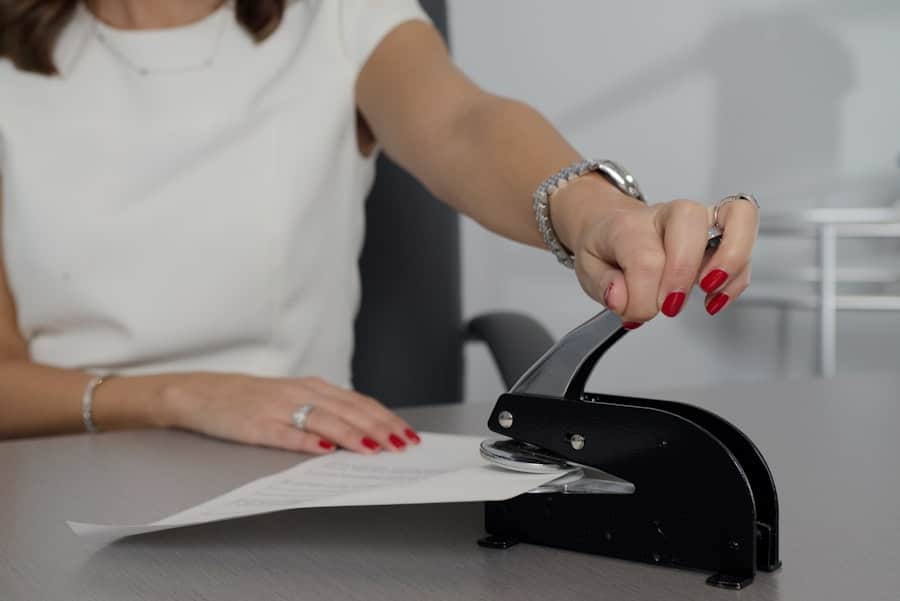
Disputes and conflicts among multiple parties can arise during a personal injury case, complicating an already intricate situation. These conflicts may stem from differing opinions on liability, disagreements over compensation amounts, or even issues related to insurance coverage. When faced with such disputes, it’s crucial to approach them with a clear strategy to protect your interests.
One effective way to resolve conflicts is through negotiation or mediation. Engaging in open dialogue with the involved parties can help clarify misunderstandings and facilitate a resolution that satisfies everyone involved. If negotiations fail, you may need to consider more formal dispute resolution methods such as arbitration or litigation.
Regardless of the approach you choose, having legal counsel by your side can provide valuable guidance and support throughout this process.
Navigating the Complexities of Trial and Litigation with Multiple Parties
If your personal injury case progresses to trial, navigating the complexities of litigation involving multiple parties can be daunting. Each defendant will likely have their own legal representation, which can lead to a more adversarial environment in court. Understanding how to present your case effectively in this context is crucial for achieving a favorable outcome.
During trial, it’s essential to clearly articulate how each party contributed to your injuries while also addressing any defenses they may raise. This requires thorough preparation and an understanding of trial procedures. Your attorney will play a pivotal role in guiding you through this process, helping you present compelling evidence and arguments that support your claims against each defendant.
By being well-prepared and informed about the intricacies of trial proceedings, you can enhance your chances of success.
Seeking Legal Counsel and Guidance for a Personal Injury Case Involving Multiple Parties
Given the complexities associated with personal injury cases involving multiple parties, seeking legal counsel is one of the most important steps you can take. An experienced attorney will have the knowledge and expertise necessary to navigate the intricacies of your case while ensuring that your rights are protected throughout the process. They can help you identify potential defendants, establish liability, and negotiate with insurance companies on your behalf.
When selecting an attorney for your personal injury case, look for someone who has experience handling cases with multiple parties. They should be well-versed in relevant laws and regulations while also possessing strong negotiation skills. By partnering with a knowledgeable legal professional, you can approach your case with confidence and increase your chances of obtaining fair compensation for your injuries.
Remember that having skilled representation can make all the difference in achieving a successful outcome in a complex personal injury case involving multiple parties.
If you are dealing with a personal injury case involving multiple parties, it is important to understand the various trial methods that may be utilized. One article that may be helpful in this regard is “Find Out the Personal Injury Trial Methods Which Are Being Hidden From You”. This article can provide valuable insights into the different strategies that may be employed during the legal process. Additionally, it is crucial to consider the potential long-term effects of your injuries. For more information on what makes an injury permanent, check out