Rock climbing, while exhilarating and rewarding, carries inherent risks that can lead to accidents. As you ascend a rock face or navigate a climbing route, the thrill of conquering heights is often accompanied by the potential for injury. Understanding the nature of these accidents is crucial for climbers, whether you are a novice or an experienced mountaineer.
Factors contributing to climbing accidents can range from equipment failure to environmental conditions, and even human error. Each incident can vary significantly in severity, from minor scrapes and bruises to life-altering injuries. The statistics surrounding rock climbing accidents can be alarming.
According to various studies, a significant percentage of climbers experience some form of injury during their climbing endeavors. These injuries can stem from falls, rockfall, or even improper belaying techniques. As you engage in this sport, it’s essential to recognize that while climbing can be safe with proper precautions, the unpredictable nature of the environment means that accidents can happen at any time.
Understanding these risks is the first step in ensuring your safety and the safety of those around you.
Key Takeaways
- Rock climbing accidents can occur due to various factors such as equipment failure, human error, and environmental conditions.
- Liability in rock climbing accidents may fall on the climbing gym, equipment manufacturers, or other climbers depending on the circumstances of the accident.
- Negligence plays a key role in personal injury claims related to rock climbing accidents, and proving negligence is essential for a successful claim.
- Assumption of risk is a common defense in rock climbing accident cases, where the injured party is deemed to have willingly accepted the inherent risks of the activity.
- Waivers and releases are often used by climbing gyms and organizations to limit their liability in the event of a rock climbing accident.
Liability in Rock Climbing Accidents
When a rock climbing accident occurs, determining liability can be complex. Liability refers to the legal responsibility one party has for the injuries or damages suffered by another. In the context of rock climbing, liability may fall on various parties, including the climber, the climbing gym, equipment manufacturers, or even the landowners where the climbing takes place.
As you navigate this intricate web of responsibility, it’s important to consider the circumstances surrounding the accident. For instance, if you were injured due to faulty equipment, the manufacturer may be held liable for producing a defective product. Conversely, if your injury resulted from your own negligence—such as failing to properly secure your harness—you may bear responsibility for your injuries.
Additionally, climbing gyms often have specific safety protocols in place; if these protocols are not followed, liability may shift toward the facility. Understanding these nuances can help you assess your situation and determine who may be held accountable for your injuries.
Negligence and Personal Injury Claims
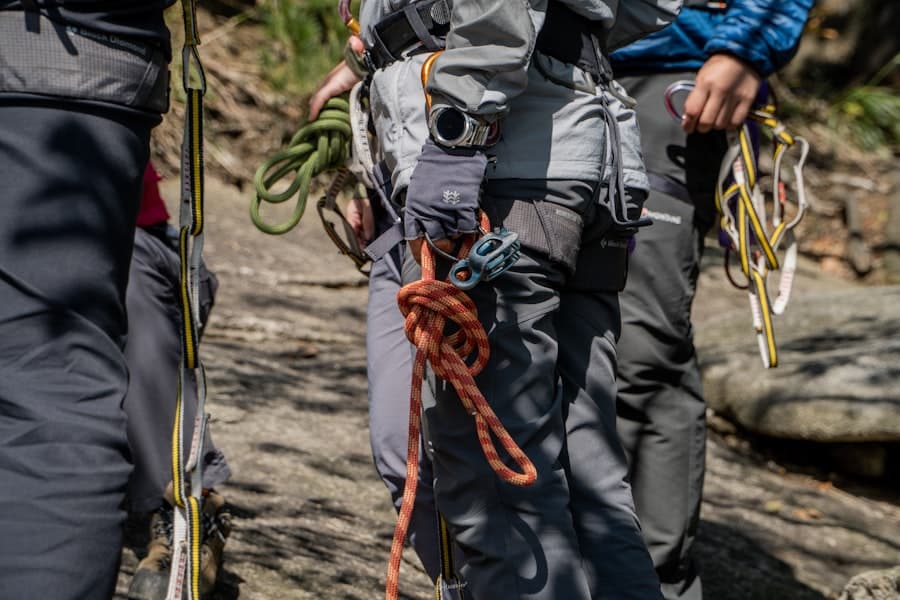
Negligence plays a pivotal role in personal injury claims related to rock climbing accidents. To establish a claim based on negligence, you must demonstrate that another party failed to exercise reasonable care, leading to your injury. This involves proving four key elements: duty of care, breach of duty, causation, and damages.
As you consider your situation, think about whether the party involved had a responsibility to ensure your safety and whether they failed in that duty. For example, if you were climbing at a gym and an instructor neglected to provide proper safety training or failed to check your gear before your ascent, this could constitute a breach of duty. If this negligence directly resulted in your injury—such as a fall due to improper belaying—you may have grounds for a personal injury claim.
It’s essential to gather evidence, such as witness statements and medical records, to support your case and demonstrate how negligence contributed to your accident.
Assumption of Risk in Rock Climbing
Assumption of risk is a legal doctrine that often comes into play in rock climbing accidents. This principle suggests that individuals who engage in inherently risky activities, like rock climbing, accept certain dangers associated with those activities. As you participate in climbing, you implicitly acknowledge that there are risks involved—such as falls or equipment failure—and that you are willing to accept those risks as part of the experience.
However, it’s important to note that assumption of risk does not absolve others from liability in all situations. If an accident occurs due to gross negligence or failure to adhere to safety standards, you may still have a valid claim despite having assumed some level of risk. Understanding this concept can help you navigate potential legal challenges following an accident and assess whether you have grounds for pursuing compensation.
Waivers and Releases in Rock Climbing
Waivers and releases are common in the rock climbing world, particularly at gyms and organized climbing events. These documents are designed to protect operators from liability by requiring participants to acknowledge the risks associated with climbing and waive their right to sue for injuries sustained during the activity. As you sign such documents, it’s crucial to read them carefully and understand what rights you may be relinquishing.
While waivers can limit your ability to pursue legal action after an accident, they are not always enforceable. Courts may invalidate waivers if they are deemed overly broad or if they do not adequately inform participants of the risks involved. Additionally, if an operator engages in gross negligence or fails to provide a safe environment, a waiver may not protect them from liability.
Being aware of these nuances can empower you as a climber and help you make informed decisions about participating in climbing activities.
Potential Defenses in Rock Climbing Accident Lawsuits
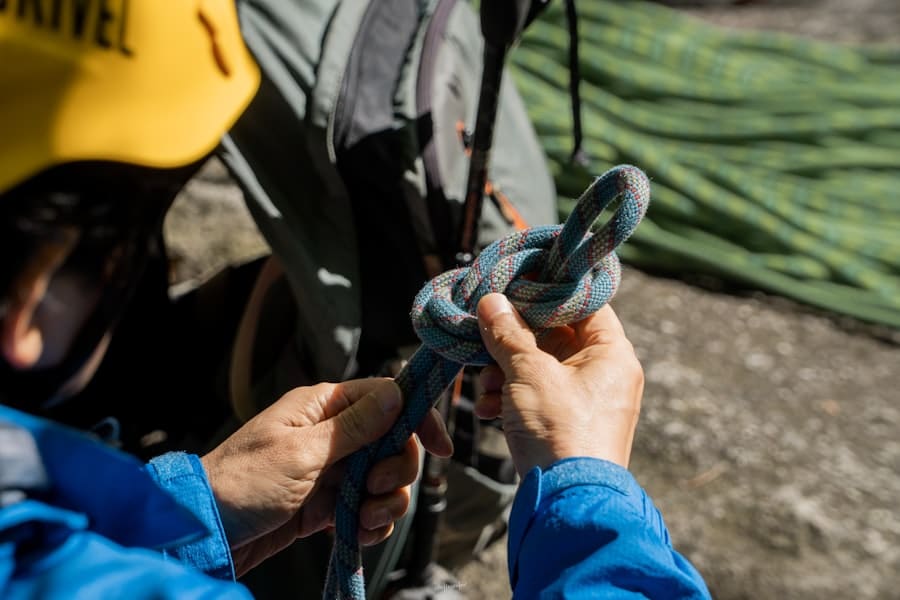
In rock climbing accident lawsuits, defendants often employ various defenses to counter claims of negligence or liability. One common defense is arguing that the injured party assumed the risk associated with climbing activities. By demonstrating that you were aware of the dangers and chose to participate anyway, they may seek to diminish their liability for your injuries.
Another potential defense is comparative negligence, which asserts that if you contributed to your own injury through negligent behavior—such as failing to follow safety protocols—your compensation may be reduced based on your percentage of fault. For instance, if it is determined that you were 30% responsible for your fall due to improper gear usage while the gym was 70% responsible for not providing adequate training, your compensation could be adjusted accordingly. Understanding these defenses can help you prepare for potential challenges when pursuing a personal injury claim.
Steps to Take After a Rock Climbing Accident
If you find yourself involved in a rock climbing accident, knowing the appropriate steps to take can significantly impact your recovery and any potential legal claims. First and foremost, prioritize your safety and well-being. If you are injured, seek medical attention immediately; even if injuries seem minor at first glance, it’s essential to have a professional evaluation.
Once you have addressed any immediate medical concerns, document the incident thoroughly. Take photographs of the scene, including any equipment involved and environmental conditions that may have contributed to the accident. Collect contact information from witnesses who can corroborate your account of events.
This evidence will be invaluable should you decide to pursue legal action later on. Additionally, report the incident to relevant authorities or facility management; this creates an official record that may be important for any future claims.
Seeking Legal Counsel for Rock Climbing Personal Injury Claims
Navigating the complexities of personal injury claims following a rock climbing accident can be daunting. Engaging legal counsel with experience in this area is crucial for ensuring that your rights are protected and that you receive fair compensation for your injuries. A knowledgeable attorney can help you understand the nuances of liability, negligence, and applicable laws specific to rock climbing incidents.
When seeking legal representation, look for an attorney who specializes in personal injury law and has experience with outdoor sports cases. They will be equipped to evaluate your situation comprehensively and guide you through each step of the legal process—from gathering evidence and filing claims to negotiating settlements or representing you in court if necessary. With their expertise on your side, you can focus on your recovery while they work diligently to secure the compensation you deserve.
In conclusion, understanding rock climbing accidents involves recognizing their inherent risks and complexities surrounding liability and negligence. By being informed about waivers, defenses, and appropriate steps following an accident, you empower yourself as a climber. Should an unfortunate incident occur, seeking legal counsel ensures that you navigate the aftermath effectively and advocate for your rights as an injured party.
If you have recently suffered a personal injury, you may be wondering about your legal options. In a related article on personalinjuryattorney-online.com, they discuss the steps you can take to seek compensation for your injuries. Whether you were injured in a rock climbing accident or as a pedestrian, it is important to understand your rights and options. Consulting with a knowledgeable attorney, such as a pedestrian injury lawyer in California, can help you navigate the legal process and pursue the compensation you deserve.
FAQs
What is a personal injury claim?
A personal injury claim is a legal case brought by an individual who has been injured due to the negligence or intentional actions of another party. The injured party seeks compensation for their injuries and other damages.
Can you sue for personal injury after a rock climbing accident?
Yes, you can sue for personal injury after a rock climbing accident if the accident was caused by the negligence of another party, such as the rock climbing facility, equipment manufacturer, or another climber.
What are the common causes of rock climbing accidents?
Common causes of rock climbing accidents include equipment failure, improper training or supervision, inadequate safety measures, and environmental hazards such as loose rocks or unstable terrain.
What must be proven in a personal injury claim after a rock climbing accident?
In a personal injury claim after a rock climbing accident, the injured party must prove that the defendant (such as the climbing facility or equipment manufacturer) owed a duty of care, breached that duty, and that the breach of duty directly caused the injuries sustained.
What type of compensation can be sought in a personal injury claim after a rock climbing accident?
Compensation sought in a personal injury claim after a rock climbing accident may include medical expenses, lost wages, pain and suffering, and other damages related to the injuries sustained in the accident.