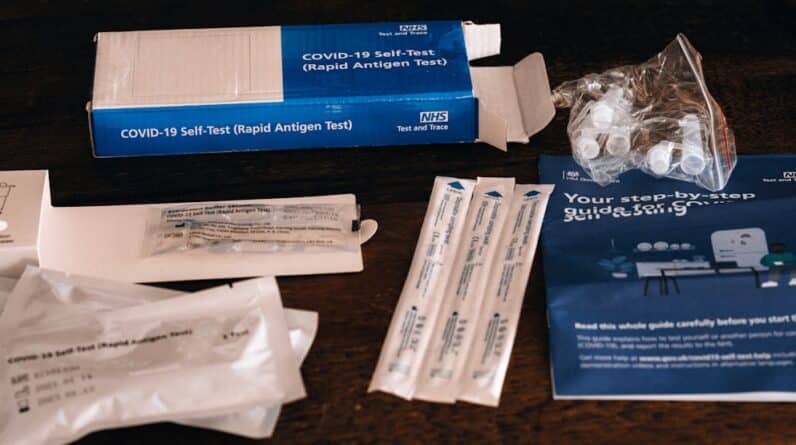
When you find yourself in an accident, the first step is to assess the severity of your injury. This initial evaluation is crucial, as it can dictate the course of action you need to take. You should take a moment to check in with your body.
Are you experiencing any pain? Is there swelling or bruising? Sometimes, injuries may not be immediately apparent, so it’s essential to be mindful of any unusual sensations or limitations in movement.
If you feel any sharp pain or if your mobility is compromised, it’s vital to acknowledge that these could be signs of a more serious injury. In addition to physical symptoms, consider your emotional state. Accidents can be traumatic, and feelings of shock or confusion are common.
You might find it difficult to think clearly or make decisions. It’s important to take a deep breath and focus on your well-being. If you’re unsure about the extent of your injuries, err on the side of caution and seek medical help.
Remember, your health is the priority, and understanding the severity of your injuries will help you navigate the next steps effectively.
Key Takeaways
- Assess the severity of your injury to determine the level of medical attention needed
- Seek immediate medical attention to address any injuries sustained in the accident
- Document the scene of the accident, including taking photos and gathering relevant information
- Notify the property owner or manager of the accident and your injuries
- Obtain witness statements from anyone who saw the accident occur
- Consult with a personal injury attorney to understand your legal options and rights
- File an insurance claim to seek compensation for your injuries and damages
- Consider legal action if necessary to pursue further compensation for your injuries and losses
Seek Immediate Medical Attention
Once you have assessed your injuries, seeking immediate medical attention is paramount. Even if you believe your injuries are minor, a professional evaluation can uncover underlying issues that may not be immediately visible. For instance, internal injuries or concussions can manifest subtly but can have serious consequences if left untreated.
By visiting a healthcare provider, you not only ensure your safety but also create a medical record that may be essential for any future claims or legal actions. When you arrive at the medical facility, be honest and thorough in describing your symptoms and the circumstances surrounding the accident. This information will help healthcare professionals provide the best care possible.
They may conduct various tests, such as X-rays or MRIs, to assess your condition comprehensively. Remember that prompt medical attention not only aids in your recovery but also serves as a critical step in documenting your injuries for any potential legal or insurance matters down the line.
Document the Scene of the Accident

After ensuring your health is prioritized, it’s time to document the scene of the accident. This step is vital for building a strong case if you decide to pursue compensation later on. Use your smartphone or a camera to take clear photographs of the location where the accident occurred.
Capture various angles, including any relevant road signs, traffic signals, or environmental factors that may have contributed to the incident. These images can serve as powerful evidence when explaining what happened. In addition to photographs, jot down notes about the scene while it’s still fresh in your mind.
Describe the conditions—was it raining? Was visibility poor? Were there any obstructions?
These details can provide context that may be crucial for understanding how the accident unfolded. If there are any visible damages to property or vehicles involved, make sure to document those as well. The more comprehensive your documentation, the stronger your case will be if you need to pursue legal action or file an insurance claim.
Notify the Property Owner
If your accident occurred on someone else’s property, notifying the property owner is an essential step that should not be overlooked. This notification serves multiple purposes: it informs them of the incident and allows them to take necessary precautions to prevent future accidents. When you reach out to the property owner, be clear and concise about what happened and how it affected you.
This communication can also help establish a record of the incident from their perspective. In some cases, property owners may have insurance that covers accidents occurring on their premises. By notifying them promptly, you may facilitate a smoother claims process later on.
However, it’s important to remain factual and avoid admitting fault during this conversation. Your focus should be on conveying the details of the incident without making statements that could be interpreted as liability on your part. Keeping a professional tone will help maintain a constructive dialogue and ensure that your rights are protected.
Obtain Witness Statements
Witnesses can play a pivotal role in substantiating your account of the accident. If there were bystanders present during the incident, approach them and ask if they would be willing to provide a statement about what they saw. Their perspectives can add credibility to your case and help clarify any discrepancies that may arise later on.
When speaking with witnesses, be polite and respectful; many people are willing to help if approached correctly. When obtaining witness statements, consider recording their contact information as well as their accounts of the event. You might ask them specific questions about what they observed—such as how fast vehicles were traveling or whether they noticed any hazardous conditions at the scene.
If possible, ask them to write down their statements or provide a recorded audio account of their observations. This documentation can serve as valuable evidence should you need to pursue legal action or file an insurance claim.
Consult with a Personal Injury Attorney
Navigating the aftermath of an accident can be overwhelming, especially when dealing with injuries and potential legal ramifications. Consulting with a personal injury attorney can provide you with invaluable guidance during this challenging time. An experienced attorney will understand the intricacies of personal injury law and can help you assess your case’s strengths and weaknesses.
They will also advise you on how best to proceed based on the specifics of your situation. During your initial consultation, be prepared to discuss all relevant details about the accident and your injuries. Your attorney will likely ask questions about medical treatment received, documentation collected, and any communications with insurance companies or property owners.
This information will help them formulate a strategy tailored to your needs. Remember that most personal injury attorneys work on a contingency basis, meaning they only get paid if you win your case, which can alleviate some financial pressure as you seek justice.
File an Insurance Claim
Filing an insurance claim is often one of the most critical steps following an accident. Whether it’s your insurance or that of another party involved, initiating this process can help cover medical expenses and other damages incurred due to the incident. Start by gathering all necessary documentation—this includes medical records, photographs from the scene, witness statements, and any correspondence with property owners or other involved parties.
When filing your claim, be thorough and honest in providing information about the accident and its aftermath. Insurance companies will conduct their investigations based on the information you provide, so accuracy is key. Be prepared for potential negotiations; insurance adjusters may offer settlements that seem appealing but may not fully cover your expenses or losses.
Having an attorney by your side during this process can help ensure that you receive fair compensation for your injuries and damages.
Consider Legal Action
If negotiations with insurance companies do not yield satisfactory results, it may be time to consider legal action. Your personal injury attorney will guide you through this process, helping you understand whether pursuing a lawsuit is in your best interest based on the specifics of your case. Legal action can seem daunting; however, it may be necessary to secure fair compensation for your injuries and losses.
Before proceeding with a lawsuit, discuss all potential outcomes with your attorney. They will explain what to expect during litigation and how long the process may take. It’s essential to weigh the pros and cons carefully; while legal action can lead to significant compensation, it also requires time and resources.
Ultimately, making an informed decision will empower you as you navigate this challenging chapter in your life. In conclusion, dealing with an accident involves several critical steps that require careful consideration and action. From assessing your injuries to potentially pursuing legal action, each phase plays a vital role in ensuring that you receive appropriate care and compensation for what you’ve endured.
By following these steps diligently and seeking professional guidance when needed, you can navigate this challenging experience with greater confidence and clarity.
If you’re injured on someone else’s property, it’s important to know your rights and seek legal advice. One related article that provides valuable information on advocacy and activism in personal injury cases can be found at this link. This article discusses the importance of standing up for your rights and seeking justice when you’ve been injured due to someone else’s negligence. It’s crucial to have a knowledgeable and experienced attorney on your side, such as those at New York City Injury Lawyers or Boston Attorney, to help you navigate the legal process and ensure you receive the compensation you deserve.
FAQs
What should I do if I’m injured on someone else’s property?
If you’re injured on someone else’s property, the first thing you should do is seek medical attention for your injuries. It’s important to document your injuries and receive proper medical care.
Should I report the injury to the property owner?
Yes, it’s important to report the injury to the property owner or the person in charge of the property. This will help create a record of the incident and may be necessary for any potential legal action.
Do I need to gather evidence of the incident?
Yes, it’s important to gather evidence of the incident, such as taking photos of the scene, getting contact information from any witnesses, and documenting the details of the accident.
Should I consult with a personal injury lawyer?
It’s advisable to consult with a personal injury lawyer if you’ve been injured on someone else’s property. A lawyer can help you understand your legal rights and options for seeking compensation for your injuries.
What are the potential legal options for seeking compensation?
Depending on the circumstances of the injury, potential legal options for seeking compensation may include filing a personal injury lawsuit, negotiating a settlement with the property owner’s insurance company, or pursuing a claim through a homeowner’s insurance policy.