When you find yourself involved in a car accident, one of the first things that comes to mind is the concept of fault. Fault refers to the determination of who is responsible for the accident and its resulting damages. This determination is crucial, as it influences insurance claims, legal proceedings, and financial responsibilities.
In many jurisdictions, fault is assessed based on the principle of negligence, which means that if you failed to exercise reasonable care while driving, you may be deemed at fault for the accident. Understanding this concept is essential, as it can significantly impact your rights and obligations following an incident. In most cases, fault can be categorized into three main types: full fault, partial fault, and no fault.
If you are found to be fully at fault, you may be liable for all damages incurred by the other party. Conversely, if you are deemed not at fault, you may be entitled to compensation for your losses. Partial fault situations can complicate matters, as both parties may share some degree of responsibility.
This is where comparative negligence laws come into play, allowing for damages to be apportioned based on the degree of fault assigned to each party. Understanding these nuances can help you navigate the aftermath of an accident more effectively.
Key Takeaways
- Fault in a car accident is determined by negligence, which can include actions like speeding, running a red light, or driving under the influence.
- Gathering evidence at the scene of the accident is crucial, including taking photos of the vehicles involved, the surrounding area, and any visible injuries.
- Obtaining witness statements can provide additional perspectives and support your version of events.
- Obtaining a police report can provide an official record of the accident and may include important details and statements from the involved parties.
- Photos and videos can serve as valuable evidence, capturing the scene, damages, and any contributing factors to the accident.
- Seeking medical records and expert opinions can help establish the extent of injuries and the impact of the accident on your health.
- Insurance companies play a significant role in the claims process, and understanding their procedures and policies is important for a successful claim.
- Seeking legal assistance can be crucial, especially if there are disputes over fault, injuries, or compensation. A lawyer can provide guidance and representation throughout the process.
Gathering evidence at the scene of the accident
Once the dust settles after a car accident, gathering evidence at the scene becomes a critical step in establishing fault and supporting your claims. The first thing you should do is ensure everyone’s safety and call for medical assistance if needed. After that, take a moment to assess the surroundings and collect as much information as possible.
This includes noting the time, date, and location of the accident, as well as any road conditions or weather factors that may have contributed to the incident. The more details you can gather, the stronger your case will be. In addition to taking notes, it’s essential to document the scene visually.
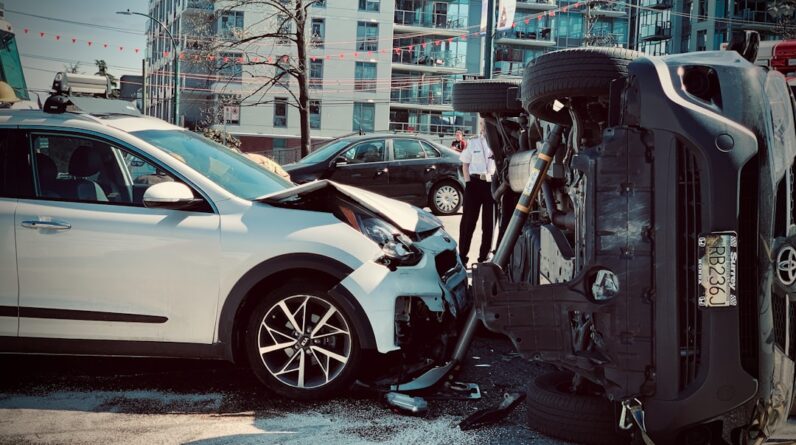
Use your smartphone or camera to capture images of the vehicles involved, any visible damages, skid marks on the road, and relevant traffic signs or signals. These photographs can serve as powerful evidence when determining fault and can help clarify the circumstances surrounding the accident. If there are any unique features of the scene that could have influenced the accident—such as poor visibility or road construction—make sure to document those as well.
The goal is to create a comprehensive record that can support your version of events.
Obtaining witness statements

Witnesses can play a pivotal role in establishing what happened during a car accident. If there were bystanders or other drivers who observed the incident, their statements could provide valuable insights into how the accident occurred. When you’re at the scene, approach potential witnesses calmly and politely ask if they would be willing to share what they saw.
It’s important to collect their contact information so that you can follow up later if necessary. Witnesses can offer an unbiased perspective that may corroborate your account of events. When speaking with witnesses, try to ask open-ended questions that encourage them to share their observations in detail.
For example, instead of asking if they saw what happened, inquire about what they noticed leading up to the accident and how they perceived the actions of each driver involved. If possible, record their statements or take detailed notes while they speak. This information can be invaluable when filing insurance claims or pursuing legal action later on.
Remember that witness statements should be collected promptly while their memories are still fresh; waiting too long may result in lost opportunities for crucial evidence.
Obtaining a police report
After a car accident, obtaining a police report is often a necessary step in documenting the incident officially. When law enforcement arrives at the scene, they will assess the situation and compile a report detailing their findings. This report typically includes information about the parties involved, vehicle descriptions, witness statements, and any citations issued for traffic violations.
Having access to this report can provide clarity regarding fault and serve as an essential piece of evidence when dealing with insurance companies. To obtain a copy of the police report, you will usually need to contact the local police department or agency that responded to the scene. Be prepared to provide details such as the date and location of the accident, as well as your identification information.
There may be a small fee associated with obtaining a copy of the report, but it is often worth it for the documentation it provides. Keep in mind that police reports are not always definitive in determining fault; however, they carry significant weight in legal and insurance matters.
Utilizing photos and videos as evidence
In today’s digital age, photos and videos have become indispensable tools for documenting car accidents. Visual evidence can vividly illustrate what transpired during an incident and can often convey details that words alone cannot capture. When you take photographs at the scene, focus on various angles of all vehicles involved, any visible damages, and surrounding conditions that may have contributed to the accident.
These images can help paint a clearer picture for insurance adjusters or legal representatives reviewing your case. In addition to still images, video footage can also be incredibly useful if available. If there are surveillance cameras nearby or if you have dashcam footage from your vehicle, this material can provide an objective account of events leading up to and during the accident.
Video evidence can help clarify disputes about who was at fault and may even reveal critical details that witnesses might have missed. When compiling your evidence, ensure that all photos and videos are stored securely and backed up in multiple locations to prevent loss.
Seeking medical records and expert opinions

Following a car accident, prioritizing your health is paramount. Even if you feel fine immediately after the incident, it’s wise to seek medical attention to rule out any hidden injuries. Once you’ve received treatment, obtaining your medical records becomes essential for documenting any injuries sustained during the accident.
These records will not only provide proof of your injuries but also establish a connection between the accident and any medical issues you may experience later on. In some cases, it may also be beneficial to seek expert opinions regarding your injuries or damages. Medical professionals can provide insights into your condition and offer recommendations for treatment or rehabilitation.
Additionally, accident reconstruction experts can analyze the circumstances surrounding your crash and provide testimony regarding factors such as speed, impact angles, and vehicle dynamics. This expert testimony can bolster your case significantly when dealing with insurance claims or legal proceedings.
Understanding the role of insurance companies
Insurance companies play a crucial role in managing claims following a car accident. After an incident occurs, both parties typically file claims with their respective insurance providers to seek compensation for damages incurred. Understanding how insurance companies operate can help you navigate this process more effectively.
Each insurer will conduct its own investigation into the accident, reviewing evidence such as police reports, witness statements, and photographs before determining liability. It’s important to remember that insurance companies are ultimately businesses focused on minimizing payouts. As such, they may attempt to settle claims quickly or offer lower compensation than what you deserve.
Being aware of this dynamic can empower you to advocate for yourself more effectively during negotiations. Keep thorough records of all communications with your insurer and don’t hesitate to seek legal advice if you feel that your claim is being undervalued or unfairly denied.
Seeking legal assistance if needed
While many car accidents can be resolved through insurance claims without legal intervention, there are situations where seeking legal assistance becomes necessary. If you find yourself facing significant medical expenses, property damage costs, or disputes over fault that could lead to litigation, consulting with an attorney who specializes in personal injury law may be beneficial. A knowledgeable lawyer can help you understand your rights and options while guiding you through complex legal processes.
Having legal representation can also level the playing field when dealing with insurance companies or opposing parties who may have their own legal counsel. An attorney can negotiate on your behalf and ensure that you receive fair compensation for your injuries and damages. Additionally, if your case escalates to litigation, having an experienced lawyer by your side can provide peace of mind as they navigate court procedures and advocate for your best interests.
In conclusion, understanding fault in car accidents involves several critical steps—from gathering evidence at the scene to seeking legal assistance when necessary. By being proactive in documenting details and seeking expert opinions, you can build a strong case that supports your claims and protects your rights following an unfortunate incident on the road.
If you are looking for more information on how to prove fault in a car accident, you may find the article “Effective Advice on Dealing with Legal Issues Regarding Personal Injury” helpful. This article offers valuable insights and tips on navigating the legal complexities surrounding personal injury cases. You can read the full article here.
FAQs
What is fault in a car accident?
Fault in a car accident refers to the determination of who is responsible for causing the accident. It is important in determining liability for damages and injuries resulting from the accident.
How is fault determined in a car accident?
Fault in a car accident is typically determined by investigating the circumstances of the accident, gathering evidence such as witness statements, police reports, and physical evidence from the scene, and analyzing relevant traffic laws and regulations.
What role do insurance companies play in determining fault?
Insurance companies will conduct their own investigation to determine fault in a car accident. They will review the evidence and may negotiate with the other party’s insurance company to reach a settlement.
What are some common factors used to determine fault in a car accident?
Common factors used to determine fault in a car accident include traffic laws and regulations, witness statements, police reports, physical evidence from the scene, and the actions of the drivers involved.
What should I do if I believe the other party is at fault in a car accident?
If you believe the other party is at fault in a car accident, you should gather evidence such as witness statements and take photos of the scene. You should also report the accident to your insurance company and consider seeking legal advice.