
When you find yourself injured due to someone else’s negligence, understanding the statute of limitations is crucial. In Frisco, Texas, the statute of limitations for personal injury claims is generally two years from the date of the injury. This means that you have a limited window to file your claim in court.
If you fail to initiate your claim within this timeframe, you may lose your right to seek compensation for your injuries altogether. It’s essential to be aware of this deadline, as it can significantly impact your ability to recover damages for medical expenses, lost wages, and pain and suffering. The rationale behind the statute of limitations is to ensure that cases are resolved while evidence is still fresh and witnesses are available.
Over time, memories fade, and physical evidence can deteriorate, making it more challenging to establish the facts of the case. Therefore, understanding this legal timeframe is not just about knowing when to file; it’s about protecting your rights and ensuring that you have the best chance of a successful outcome in your personal injury claim.
Key Takeaways
- Understanding the statute of limitations is crucial for personal injury claims in Frisco, TX
- Acting promptly is important in filing a personal injury claim to meet the statute of limitations
- The statute of limitations varies for different types of personal injury cases
- There are exceptions to the statute of limitations in Frisco, TX
- Delaying the filing of a personal injury claim can have a significant impact on the case
The Importance of Acting Promptly in Filing a Personal Injury Claim
Acting promptly when filing a personal injury claim is vital for several reasons. First and foremost, the sooner you file, the more likely you are to gather relevant evidence while it is still fresh. This includes witness statements, photographs of the scene, and medical records that can substantiate your claim.
Delaying your claim can lead to lost evidence or witnesses who may become difficult to locate over time. By taking swift action, you can strengthen your case and improve your chances of receiving fair compensation. Additionally, prompt action can alleviate some of the stress associated with dealing with injuries and their aftermath.
The longer you wait to file a claim, the more time you spend worrying about medical bills and lost income. By initiating the process early, you can focus on your recovery while your legal team works on securing the compensation you deserve. This proactive approach not only helps in managing your financial burdens but also provides peace of mind during a challenging time.
How the Statute of Limitations Varies for Different Types of Personal Injury Cases
It’s important to recognize that the statute of limitations is not a one-size-fits-all rule; it varies depending on the type of personal injury case you are dealing with. For instance, while most personal injury claims in Texas fall under the two-year rule, certain cases may have different deadlines. For example, if your injury was caused by medical malpractice, you may have only six months from the date of the incident to file a claim.
Understanding these nuances is essential for ensuring that you do not miss critical deadlines. Moreover, specific types of claims, such as those involving government entities or workers’ compensation cases, may have their own unique statutes of limitations. In some instances, you might be required to provide notice of your claim within a certain period before you can file a lawsuit.
Therefore, it’s crucial to familiarize yourself with the specific rules that apply to your situation. This knowledge will empower you to take appropriate action within the required timeframe.
Exceptions to the Statute of Limitations in Frisco, TX
While the statute of limitations sets a general timeframe for filing personal injury claims, there are exceptions that may extend or toll this deadline. For instance, if you were a minor at the time of your injury, the statute of limitations may not begin until you reach adulthood. Similarly, if the injured party was mentally incapacitated or unable to file a claim due to extenuating circumstances, the deadline may be extended.
Another common exception involves cases where the responsible party has left the state or concealed their identity. In such situations, the statute of limitations may be paused until you are able to identify and locate the defendant. Understanding these exceptions can be critical in determining whether you still have time to file your claim.
If you believe any of these circumstances apply to your case, it’s advisable to consult with a legal professional who can guide you through the complexities of your situation.
The Impact of Delaying the Filing of a Personal Injury Claim
Delaying the filing of a personal injury claim can have serious repercussions on your case. One significant risk is that evidence may become less reliable over time. Witnesses may forget crucial details or become unavailable, and physical evidence may deteriorate or be lost altogether.
This can weaken your case and make it more challenging to prove liability and damages. Moreover, waiting too long can lead to increased financial strain as medical bills accumulate and lost wages continue to impact your livelihood. The longer you delay filing your claim, the more difficult it may become to recover compensation for these expenses.
Additionally, insurance companies often take advantage of delays by arguing that your injuries are not as severe as claimed or that they were not caused by their insured party’s actions. Therefore, acting promptly is essential not only for preserving evidence but also for protecting your financial interests.
Factors to Consider When Determining the Deadline for Filing a Personal Injury Claim
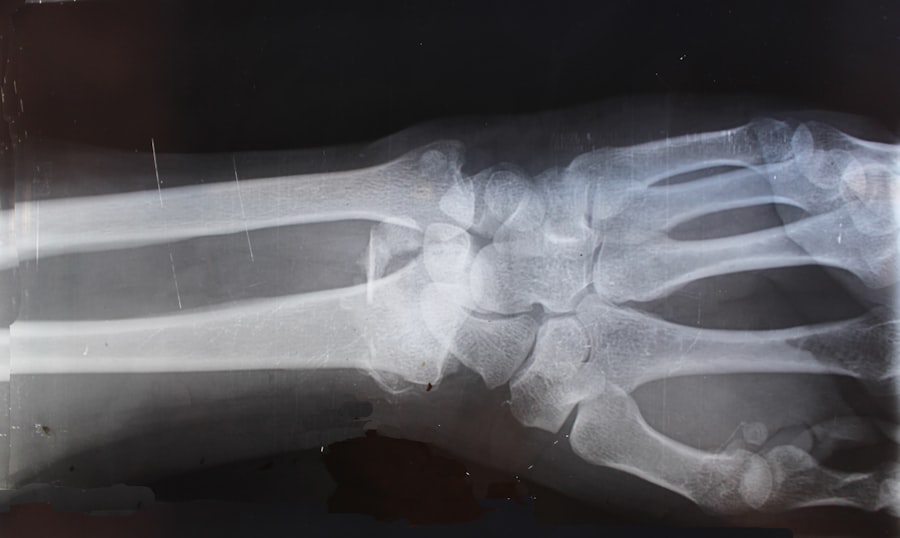
When determining the deadline for filing a personal injury claim, several factors come into play. First and foremost is the date of your injury; this is typically when the statute of limitations begins to run. However, other elements can influence this timeline as well.
For example, if you were unaware of your injury at the time it occurred—such as in cases involving latent injuries—the statute may not begin until you discover the injury or its cause. Additionally, consider whether there are any potential exceptions that could apply to your case. As mentioned earlier, factors such as age or mental capacity can affect when the statute begins or whether it can be extended.
It’s also important to think about any potential claims against government entities or other parties that may have different deadlines. Consulting with an attorney who specializes in personal injury law can help clarify these factors and ensure that you understand your specific deadline.
Seeking Legal Counsel to Determine the Appropriate Timeframe for Filing a Personal Injury Claim
Navigating the complexities of personal injury law can be daunting, especially when it comes to understanding statutes of limitations and deadlines for filing claims. Seeking legal counsel is one of the best steps you can take to ensure that you are aware of all relevant timelines and requirements specific to your case. An experienced attorney will have in-depth knowledge of Texas law and can provide guidance tailored to your unique situation.
Your attorney will not only help you understand when and how to file your claim but will also assist in gathering evidence and building a strong case on your behalf. They can help identify any exceptions that may apply and ensure that all necessary documentation is submitted within the required timeframe. By working with legal counsel, you can focus on your recovery while knowing that your rights are being protected.
The Role of Evidence Preservation in Meeting the Statute of Limitations
Preserving evidence is critical in meeting the statute of limitations for personal injury claims. As time passes after an incident, evidence can become less reliable or even lost entirely. This includes physical evidence such as damaged property or medical records that document your injuries and treatment.
To strengthen your case, it’s essential to take steps to preserve any relevant evidence as soon as possible after an incident occurs. For instance, if you were involved in a car accident, taking photographs of the scene and gathering contact information from witnesses can be invaluable later on. Additionally, keeping detailed records of medical treatments and expenses will help substantiate your claim when it comes time to seek compensation.
By prioritizing evidence preservation early on, you enhance your chances of successfully navigating the legal process within the constraints of the statute of limitations.
Potential Consequences of Missing the Deadline to File a Personal Injury Claim
Missing the deadline to file a personal injury claim can have dire consequences for your ability to seek compensation for your injuries. Once the statute of limitations expires, you will generally be barred from pursuing any legal action related to that incident. This means that even if you have a valid claim with substantial evidence supporting it, you will be unable to recover damages for medical expenses, lost wages, or pain and suffering.
Furthermore, missing this deadline can lead to additional stress and frustration as you come to terms with the fact that you cannot hold the responsible party accountable for their actions. It’s essential to recognize that time is of the essence when it comes to personal injury claims; taking proactive steps early on can help ensure that you do not miss out on your opportunity for justice and compensation.
Understanding the Process of Filing a Personal Injury Claim within the Statute of Limitations
Filing a personal injury claim involves several steps that must be completed within the statute of limitations timeframe. Initially, you’ll need to gather all relevant documentation related to your injury—this includes medical records, police reports (if applicable), and any evidence supporting your claim. Once you’ve compiled this information, you’ll typically need to submit a demand letter to the at-fault party’s insurance company outlining your injuries and requesting compensation.
If negotiations with the insurance company do not yield satisfactory results, you may need to file a formal lawsuit in court before the statute of limitations expires. This process involves drafting legal documents and adhering to specific court procedures, which can be complex without legal assistance. Understanding each step in this process is crucial for ensuring that you meet all necessary deadlines while effectively advocating for your rights.
The Benefits of Acting Swiftly in Initiating a Personal Injury Claim in Frisco, TX
Acting swiftly in initiating a personal injury claim offers numerous benefits beyond simply meeting deadlines. One significant advantage is that early action allows for better evidence collection and witness testimony preservation—both critical components in building a strong case. By starting promptly, you’re more likely to secure vital information that could bolster your claim.
Additionally, initiating your claim quickly can lead to faster resolution times. Insurance companies often respond more favorably when claims are filed promptly because they recognize that timely action indicates seriousness on behalf of the claimant. This proactive approach not only enhances your chances for fair compensation but also alleviates some financial burdens associated with ongoing medical treatment and lost wages during recovery.
In conclusion, understanding and adhering to the statute of limitations for personal injury claims in Frisco, TX is essential for protecting your rights and securing compensation for injuries sustained due to another’s negligence. By acting promptly and seeking legal counsel when necessary, you can navigate this complex process effectively while preserving vital evidence and maximizing your chances for success.
If you’re considering filing a personal injury claim in Frisco, TX, it’s essential to understand the timeline involved. For more insights on personal injury cases, you might find it helpful to read about the most serious types of injuries in this related article. This resource can provide valuable information that may impact your claim and help you navigate the complexities of personal injury law.
FAQs
What is the statute of limitations for filing a personal injury claim in Frisco, TX?
In Frisco, TX, the statute of limitations for filing a personal injury claim is generally two years from the date of the injury. It is important to file your claim within this time frame to ensure that you can pursue legal action.
Are there any exceptions to the statute of limitations for personal injury claims in Frisco, TX?
There are certain circumstances that may warrant an exception to the statute of limitations for personal injury claims in Frisco, TX. For example, if the injury was not immediately apparent or if the injured party was a minor at the time of the incident, the statute of limitations may be extended.
What happens if I miss the deadline to file a personal injury claim in Frisco, TX?
If you miss the deadline to file a personal injury claim in Frisco, TX, you may lose the opportunity to seek compensation for your injuries. It is important to consult with a personal injury attorney as soon as possible to understand your options.
How can I ensure that I file my personal injury claim within the statute of limitations in Frisco, TX?
To ensure that you file your personal injury claim within the statute of limitations in Frisco, TX, it is important to seek legal advice as soon as possible after the injury occurs. A personal injury attorney can help you understand the deadlines and requirements for filing a claim.
Is it important to gather evidence and documentation for my personal injury claim in Frisco, TX?
Yes, it is important to gather evidence and documentation for your personal injury claim in Frisco, TX. This may include medical records, witness statements, and any other evidence related to the incident. The more evidence you have, the stronger your claim may be.