When you think about personal injury claims, it’s essential to grasp the fundamental principles that govern them. A personal injury claim arises when an individual suffers harm due to someone else’s negligence or intentional actions. This legal process allows you to seek compensation for various damages, including medical expenses, lost wages, and emotional distress.
Understanding the nuances of personal injury claims can empower you to navigate the complexities of the legal system effectively. In the realm of personal injury, the burden of proof lies with you, the claimant. This means you must demonstrate that the other party was negligent and that their actions directly caused your injuries.
The process often involves gathering evidence, such as medical records, witness statements, and accident reports. Familiarizing yourself with these elements can significantly enhance your chances of a successful claim. Moreover, knowing the statute of limitations in your jurisdiction is crucial, as it dictates the timeframe within which you must file your claim.
Key Takeaways
- Personal injury claims can be filed for accidents resulting from negligence or liability.
- Mountain climbing poses various risks, including falls, rockslides, and altitude sickness.
- Negligence and liability play a crucial role in mountain climbing accidents and determining legal responsibility.
- Factors to consider in filing a personal injury claim for a mountain climbing accident include evidence, medical expenses, and lost wages.
- After a mountain climbing accident, it is important to seek medical attention, gather evidence, and consult with a legal professional.
The Risks of Mountain Climbing
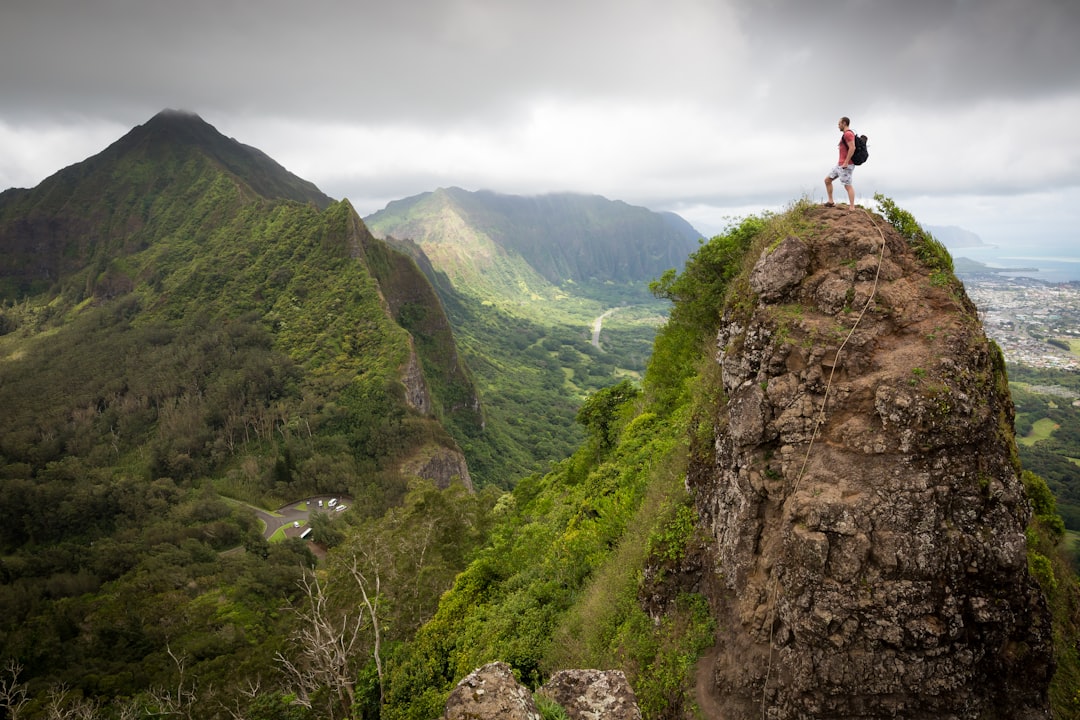
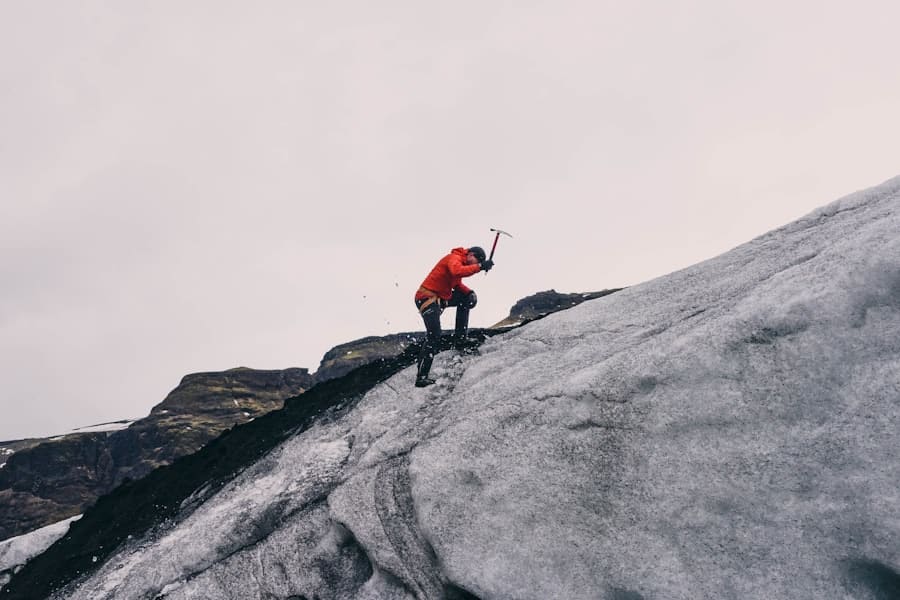
Mountain climbing is an exhilarating adventure that attracts thrill-seekers from all walks of life. However, it is not without its inherent risks. As you ascend rugged terrains and navigate unpredictable weather conditions, the potential for accidents increases significantly.
Factors such as altitude sickness, falling rocks, and sudden weather changes can pose serious threats to your safety. Understanding these risks is vital for anyone considering this challenging sport. Moreover, the physical demands of mountain climbing can lead to injuries ranging from sprains and fractures to more severe conditions like hypothermia or frostbite.
As you push your limits, it’s essential to recognize your own capabilities and limitations. Proper training, equipment, and preparation are crucial in mitigating these risks. By being aware of the dangers associated with mountain climbing, you can make informed decisions that prioritize your safety and well-being.
Negligence and Liability in Mountain Climbing Accidents

Negligence plays a pivotal role in determining liability in mountain climbing accidents. If you are injured while climbing, establishing that another party acted negligently is crucial for your personal injury claim. Negligence occurs when an individual fails to exercise reasonable care, resulting in harm to another person.
In the context of mountain climbing, this could involve a guide who neglects to provide adequate safety equipment or a park service that fails to maintain trails properly. Liability can also extend to various parties involved in your climbing experience. For instance, if you were part of a guided expedition and the guide’s actions led to your injury, they may be held accountable.
Similarly, if a climbing gear manufacturer produces faulty equipment that contributes to an accident, they could also bear responsibility. Understanding the nuances of negligence and liability can help you identify potential defendants in your claim and strengthen your case.
Factors to Consider in Filing a Personal Injury Claim for a Mountain Climbing Accident
When contemplating a personal injury claim following a mountain climbing accident, several factors warrant careful consideration. First and foremost, you should assess the extent of your injuries and their impact on your daily life. This includes not only physical injuries but also emotional and psychological effects that may arise from the incident.
Documenting these aspects will be crucial in substantiating your claim. Additionally, consider the circumstances surrounding the accident. Were there any witnesses present?
Did you take any precautions that were disregarded by others? Gathering evidence related to these factors can significantly bolster your case. Furthermore, understanding the insurance policies that may apply—whether from a guide service or a park authority—can provide insight into potential avenues for compensation.
Each of these elements plays a vital role in shaping your claim and determining its likelihood of success.
Steps to Take After a Mountain Climbing Accident
If you find yourself involved in a mountain climbing accident, knowing the immediate steps to take can be critical for your health and any potential legal claims. First and foremost, prioritize your safety and well-being. If you are injured, seek medical attention as soon as possible.
Even if your injuries seem minor at first glance, it’s essential to get evaluated by a healthcare professional to rule out any serious conditions. Once you have addressed your immediate health needs, begin documenting the incident thoroughly. Take photographs of the scene, note any relevant details about the conditions at the time of the accident, and gather contact information from any witnesses present.
This information will be invaluable when building your case later on. Additionally, if you are part of a guided expedition or organization, report the incident to them as well; they may have protocols in place for handling such situations.
Seeking Legal Counsel for a Mountain Climbing Accident
Navigating the legal landscape following a mountain climbing accident can be daunting, which is why seeking legal counsel is often a wise decision. An experienced personal injury attorney can provide invaluable guidance throughout the claims process. They will help you understand your rights and options while ensuring that you meet all necessary deadlines and requirements.
Your attorney will also assist in gathering evidence and building a strong case on your behalf. They can negotiate with insurance companies and other parties involved to secure fair compensation for your injuries. Having legal representation not only alleviates some of the stress associated with filing a claim but also increases your chances of achieving a favorable outcome.
The Importance of Evidence in a Mountain Climbing Accident Claim
In any personal injury claim, evidence is paramount; this holds especially true for mountain climbing accidents where circumstances can be complex and multifaceted. The evidence you gather will serve as the foundation for your case, helping to establish liability and demonstrate the extent of your injuries. This may include photographs of the accident scene, medical records detailing your injuries, and witness statements corroborating your account of events.
Additionally, expert testimony may play a crucial role in substantiating your claim. For instance, an expert in mountain climbing safety could provide insights into whether proper precautions were taken or if negligence was evident in the actions of others involved in the incident. By compiling comprehensive evidence, you strengthen your position and enhance your chances of receiving fair compensation for your injuries.
Potential Compensation for a Mountain Climbing Accident
If you successfully file a personal injury claim following a mountain climbing accident, various forms of compensation may be available to you. Medical expenses are often at the forefront; this includes costs related to hospital stays, surgeries, rehabilitation, and ongoing treatment for injuries sustained during the accident. Additionally, if your injuries prevent you from working, you may be entitled to compensation for lost wages.
Beyond economic damages, you may also seek compensation for non-economic damages such as pain and suffering or emotional distress resulting from the accident. These damages can be more challenging to quantify but are nonetheless significant in acknowledging the impact of the incident on your quality of life. Understanding the potential compensation available can help you set realistic expectations as you navigate the claims process.
In conclusion, mountain climbing is an exhilarating pursuit that comes with its share of risks and challenges. If you find yourself injured due to an accident while climbing, understanding personal injury claims is essential for seeking justice and compensation for your suffering. By recognizing factors such as negligence and liability, taking appropriate steps after an accident, and gathering evidence effectively, you can navigate this complex landscape with greater confidence.
Seeking legal counsel will further bolster your efforts as you pursue fair compensation for your injuries and reclaim control over your life after such an incident.
If you are considering filing a personal injury claim for a mountain climbing accident, you may find the article “Top Personal Injury Attorney in Los Angeles” helpful. This article provides information on finding a reputable attorney to represent you in your case. You can read more about it here.
FAQs
What is a personal injury claim for a mountain climbing accident?
A personal injury claim for a mountain climbing accident is a legal action taken by an individual who has been injured while participating in mountain climbing activities. This claim seeks to hold the responsible party accountable for the injuries sustained and to seek compensation for damages such as medical expenses, lost wages, and pain and suffering.
What are the common causes of mountain climbing accidents?
Common causes of mountain climbing accidents include falls, rock or ice avalanches, equipment failure, weather-related incidents, and human error. These accidents can result in a range of injuries, from minor cuts and bruises to more severe injuries such as broken bones, head trauma, and spinal cord injuries.
Can you file a personal injury claim for a mountain climbing accident?
Yes, it is possible to file a personal injury claim for a mountain climbing accident if the accident was caused by the negligence or wrongful actions of another party. This could include the negligence of a tour guide, equipment manufacturer, or property owner. It is important to consult with a personal injury attorney to determine the viability of a claim.
What should you do if you are injured in a mountain climbing accident?
If you are injured in a mountain climbing accident, it is important to seek medical attention immediately. It is also important to document the details of the accident, including taking photographs of the scene and obtaining contact information for any witnesses. Additionally, it is advisable to consult with a personal injury attorney to discuss the possibility of filing a claim.
What type of compensation can be sought in a personal injury claim for a mountain climbing accident?
In a personal injury claim for a mountain climbing accident, compensation can be sought for various damages, including medical expenses, lost wages, pain and suffering, and loss of enjoyment of life. The specific types of compensation available will depend on the circumstances of the accident and the extent of the injuries sustained.