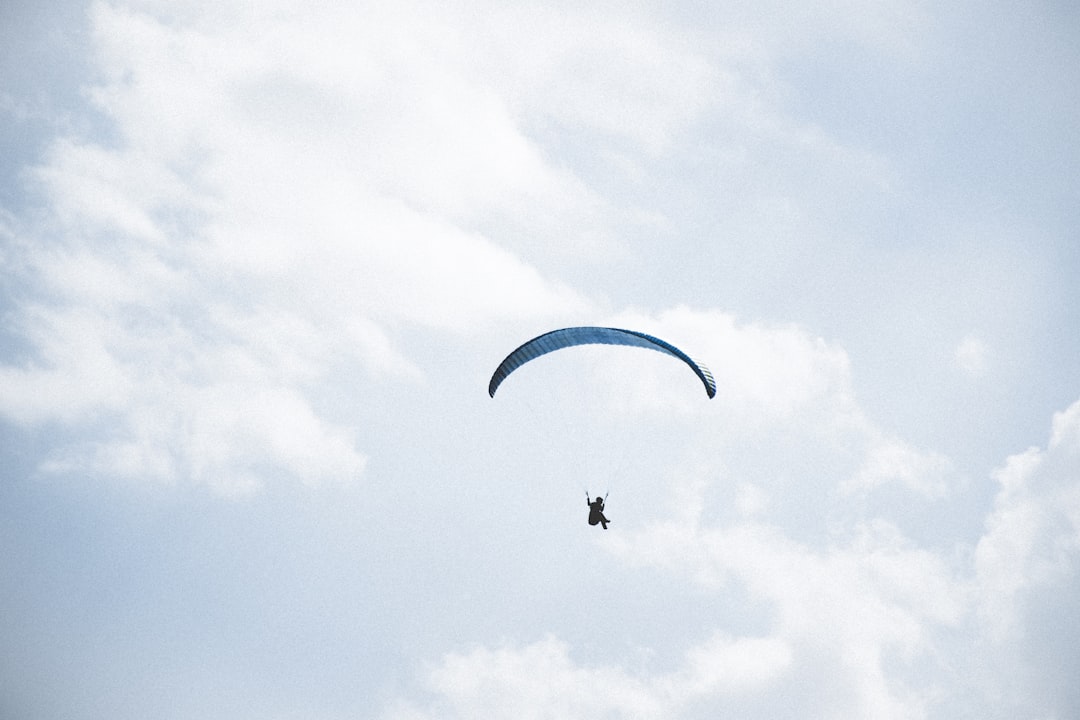
When you engage in the exhilarating sport of paragliding, the thrill of soaring through the skies can be unmatched. However, with this excitement comes inherent risks, and accidents can occur, leading to serious injuries. Understanding personal injury claims related to paragliding accidents is crucial for anyone who has been involved in such an incident.
A personal injury claim is a legal process that allows you to seek compensation for injuries sustained due to someone else’s negligence or wrongdoing. In the context of paragliding, this could involve various parties, including instructors, equipment manufacturers, or even the operators of the paragliding site. Navigating the complexities of personal injury claims can be daunting, especially when you are dealing with the aftermath of an accident.
You may find yourself facing medical bills, lost wages, and emotional distress. It is essential to recognize that you have rights and options available to you. By understanding the legal framework surrounding personal injury claims in paragliding accidents, you can better prepare yourself to pursue the compensation you deserve.
This knowledge empowers you to take informed steps toward recovery and ensures that you are not left to bear the financial burden alone.
Key Takeaways
- Personal injury claims for paragliding accidents require a thorough understanding of the legal process and relevant regulations.
- Factors to consider when filing a personal injury claim for a paragliding accident include the extent of the injuries, liability, and the presence of negligence.
- Negligence plays a crucial role in paragliding accidents and can significantly impact the outcome of a personal injury claim.
- After a paragliding accident, it is important to take immediate steps to support your personal injury claim, such as seeking medical attention and gathering evidence.
- Common injuries and damages in paragliding accidents may include broken bones, spinal injuries, head trauma, and emotional distress.
Factors to Consider When Filing a Personal Injury Claim for a Paragliding Accident
When contemplating a personal injury claim following a paragliding accident, several factors come into play that can significantly influence the outcome of your case. First and foremost, the nature and extent of your injuries will be a critical consideration. The severity of your injuries not only affects your physical recovery but also impacts the amount of compensation you may be entitled to receive.
You should gather all relevant medical documentation that outlines your injuries, treatment plans, and any long-term effects that may arise from the accident. Another important factor is the timeline of events leading up to the accident. You need to establish a clear narrative of what happened during your paragliding experience.
This includes identifying any potential negligence on the part of instructors or equipment providers. Were safety protocols followed? Was the equipment properly maintained?
These questions are vital in building a strong case. Additionally, witness statements can provide valuable insights into the circumstances surrounding your accident, further strengthening your claim.
The Role of Negligence in Paragliding Accidents and Personal Injury Claims

Negligence plays a pivotal role in personal injury claims arising from paragliding accidents. To successfully pursue a claim, you must demonstrate that another party’s negligence directly contributed to your injuries. This could involve proving that an instructor failed to provide adequate training or that faulty equipment was used during your flight.
Understanding the concept of negligence is essential, as it forms the foundation of your legal argument. In many cases, negligence can be categorized into different types: gross negligence and ordinary negligence. Gross negligence refers to a severe lack of care that shows a blatant disregard for safety, while ordinary negligence involves a failure to act with reasonable care.
For instance, if an instructor knowingly allowed you to fly in unsafe weather conditions, this could be classified as gross negligence. On the other hand, if they simply overlooked a minor safety check, it might fall under ordinary negligence. Establishing the type of negligence involved will be crucial in determining liability and potential compensation.
Steps to Take After a Paragliding Accident to Support Your Personal Injury Claim
After experiencing a paragliding accident, taking immediate and appropriate steps is vital for supporting your personal injury claim. First and foremost, prioritize your health and safety by seeking medical attention as soon as possible. Even if you feel fine initially, some injuries may not manifest symptoms right away.
A thorough medical evaluation will not only ensure your well-being but also create an official record of your injuries, which is essential for your claim. Once you have addressed your medical needs, begin documenting everything related to the accident. This includes taking photographs of the scene, collecting contact information from witnesses, and keeping detailed notes about what occurred before, during, and after the incident.
Additionally, if you were under the supervision of an instructor or guide, obtain their contact information and any relevant documentation they may have provided. This information will be invaluable when building your case and establishing liability.
Common Injuries and Damages in Paragliding Accidents
Paragliding accidents can result in a wide range of injuries, some of which can be severe and life-altering. Common injuries include fractures, sprains, concussions, and spinal cord injuries. The nature of these injuries often depends on various factors such as altitude at which the accident occurred and how you landed.
For instance, a hard landing can lead to broken bones or head trauma, while mid-air collisions may result in more complex injuries. In addition to physical injuries, you may also experience emotional and psychological damages following an accident. Anxiety, depression, and post-traumatic stress disorder (PTSD) are not uncommon among individuals who have experienced traumatic events like paragliding accidents.
When filing a personal injury claim, it is essential to consider both physical and emotional damages as they contribute to your overall suffering and should be factored into any compensation sought.
How to Determine Liability in a Paragliding Accident Personal Injury Claim
Determining liability in a paragliding accident is often one of the most challenging aspects of filing a personal injury claim. Liability refers to who is legally responsible for your injuries and damages resulting from the accident. In many cases, multiple parties may share liability, including instructors, equipment manufacturers, or even the paragliding company itself.
To establish liability, you must gather evidence that demonstrates how another party’s actions or negligence contributed to your accident. This may involve reviewing safety protocols followed by instructors or examining maintenance records for equipment used during your flight. Additionally, expert testimony from professionals in the field can help clarify industry standards and practices that may have been violated.
By thoroughly investigating all aspects of your case, you can build a compelling argument for liability that strengthens your claim.
The Importance of Legal Representation in Paragliding Accident Personal Injury Claims
Navigating the legal landscape following a paragliding accident can be overwhelming, which is why seeking legal representation is crucial. An experienced personal injury attorney can provide invaluable guidance throughout the claims process. They understand the intricacies of personal injury law and can help you navigate complex legal procedures while ensuring that your rights are protected.
Your attorney will assist in gathering evidence, negotiating with insurance companies, and representing you in court if necessary. They will work diligently to build a strong case on your behalf and advocate for fair compensation for your injuries and damages. Having legal representation not only alleviates some of the stress associated with pursuing a claim but also increases your chances of achieving a favorable outcome.
Potential Challenges and Complications in Filing a Personal Injury Claim for a Paragliding Accident
Filing a personal injury claim for a paragliding accident is not without its challenges and complications. One significant hurdle you may encounter is dealing with insurance companies that often seek to minimize payouts or deny claims altogether. Insurance adjusters may attempt to downplay your injuries or shift blame onto you as the claimant.
This is why having legal representation is essential; an attorney can negotiate on your behalf and ensure that you are treated fairly throughout the process. Another potential complication arises from the need for expert testimony in cases involving technical aspects of paragliding safety and equipment standards. Gathering expert opinions can be time-consuming and costly but is often necessary to substantiate your claims effectively.
Additionally, there may be strict deadlines for filing claims or lawsuits related to personal injury cases; missing these deadlines could jeopardize your ability to seek compensation altogether. In conclusion, understanding personal injury claims related to paragliding accidents is vital for anyone involved in such incidents. By considering factors like negligence, liability determination, and potential challenges in filing claims, you can better navigate this complex process.
Seeking legal representation will further enhance your chances of achieving fair compensation for your injuries and damages while allowing you to focus on recovery during this challenging time.
If you have suffered a brain injury as a result of a paragliding accident, you may want to consider seeking legal advice from a brain injury attorney. They can help you navigate the complexities of personal injury claims and ensure you receive the compensation you deserve. Additionally, if you were injured in a car accident while traveling to or from your paragliding excursion, a car injury lawyer can assist you in pursuing a claim against the at-fault driver. And if the accident occurred in Alabama, it is crucial to consult with an experienced Alabama personal injury lawyer who is familiar with the state’s laws and regulations.
FAQs
What is a personal injury claim for a paragliding accident?
A personal injury claim for a paragliding accident is a legal action taken by an individual who has been injured while paragliding due to the negligence or fault of another party. This claim seeks to recover compensation for the injured person’s medical expenses, lost wages, pain and suffering, and other damages.
What are the common causes of paragliding accidents?
Common causes of paragliding accidents include pilot error, equipment failure, weather conditions, and other environmental factors. In some cases, accidents may also be caused by the negligence of a third party, such as a tour operator or equipment manufacturer.
What should I do if I’ve been injured in a paragliding accident?
If you’ve been injured in a paragliding accident, it’s important to seek medical attention immediately. You should also document the details of the accident, including taking photos of the scene and obtaining contact information from any witnesses. It’s advisable to consult with a personal injury attorney to understand your legal options.
Can I file a personal injury claim for a paragliding accident?
Yes, you can file a personal injury claim for a paragliding accident if you believe that your injuries were caused by the negligence or fault of another party. However, the specific circumstances of the accident will determine whether you have a valid claim.
What compensation can I receive from a personal injury claim for a paragliding accident?
If your personal injury claim for a paragliding accident is successful, you may be able to receive compensation for medical expenses, lost wages, pain and suffering, and other damages related to your injuries. The amount of compensation will depend on the specific details of your case.