
When you think about skiing, images of pristine snow-covered mountains and exhilarating descents likely come to mind. However, skiing can also lead to unfortunate accidents that result in serious injuries. Understanding personal injury claims related to skiing accidents is crucial for anyone who enjoys this winter sport.
A personal injury claim arises when an individual suffers harm due to another party’s negligence or wrongful actions. In the context of skiing, this could involve a collision with another skier, a fall caused by poorly maintained slopes, or even equipment failure. Navigating the complexities of personal injury claims can be daunting, especially when you are dealing with the aftermath of an accident.
You may find yourself facing medical bills, lost wages, and emotional distress. It’s essential to know that you have rights and options available to you. A personal injury claim can help you seek compensation for your injuries and related expenses.
Understanding the legal framework surrounding these claims will empower you to take the necessary steps toward recovery and financial restitution.
Key Takeaways
- Personal injury claims for skiing accidents can be complex and require a thorough understanding of the legal process and ski resort regulations.
- Determining liability in skiing accidents involves assessing factors such as the skier’s behavior, the ski resort’s maintenance, and any equipment malfunctions.
- Common injuries in skiing accidents include fractures, sprains, concussions, and spinal cord injuries, which can have long-term effects on the victim’s health and well-being.
- After a skiing accident, it is important to seek medical attention, gather evidence, report the incident to the ski resort, and consult with a personal injury attorney.
- The statute of limitations for filing a personal injury claim for a skiing accident varies by state and can range from one to six years, so it is crucial to act promptly to protect your legal rights.
Determining Liability in Skiing Accidents
Identifying Responsible Parties
If another skier acted recklessly or if the ski resort failed to maintain safe conditions, they could be held liable for your injuries. To establish liability, you will need to gather evidence that demonstrates how the accident occurred and who was at fault. This may include witness statements, photographs of the accident scene, and any relevant reports from ski patrol or resort management.
Understanding State Laws
Understanding the specific laws in your state regarding skiing accidents is also vital, as some jurisdictions have unique regulations that can affect liability determinations.
Building a Strong Case
By thoroughly investigating the circumstances surrounding your accident, you can build a stronger case for your personal injury claim.
Common Injuries in Skiing Accidents
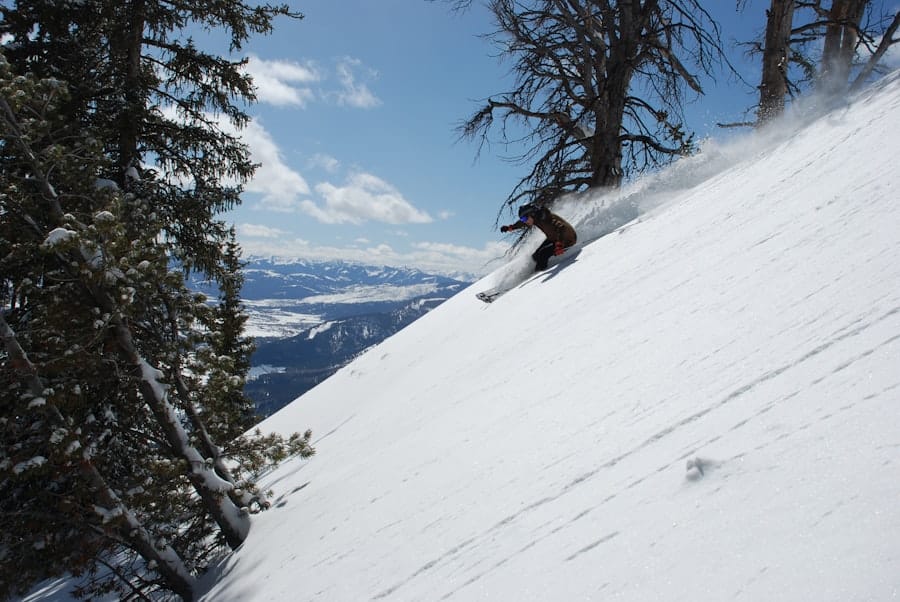
Skiing accidents can lead to a wide range of injuries, some of which can be severe and life-altering. Common injuries include fractures, sprains, and concussions. For instance, wrist fractures are particularly prevalent among skiers who instinctively extend their arms to break a fall.
Similarly, knee injuries, such as ACL tears, are frequent due to the twisting motions involved in skiing. These injuries can require extensive medical treatment and rehabilitation, impacting your ability to work and enjoy life. In addition to physical injuries, skiing accidents can also result in emotional and psychological trauma.
You may experience anxiety or fear about skiing again after an accident, which can affect your overall well-being. Understanding the full scope of potential injuries is essential not only for your recovery but also for your personal injury claim. Documenting all injuries and their impact on your life will be crucial when seeking compensation.
Steps to Take After a Skiing Accident
If you find yourself involved in a skiing accident, knowing the steps to take immediately afterward can significantly impact your recovery and any potential legal claims. First and foremost, prioritize your safety and health. If you are injured, seek medical attention right away.
Even if you feel fine initially, some injuries may not present symptoms immediately. A medical professional can assess your condition and document any injuries sustained during the accident. Once you have addressed your immediate health needs, it’s important to gather information related to the accident.
This includes taking photographs of the scene, noting weather conditions, and collecting contact information from witnesses. If possible, report the incident to ski patrol or resort management; they may create an official report that could be beneficial for your claim later on. Keeping detailed records of all communications and medical treatments will also help strengthen your case as you move forward.
Statute of Limitations for Filing a Personal Injury Claim for a Skiing Accident
Understanding the statute of limitations is crucial when considering a personal injury claim for a skiing accident. The statute of limitations refers to the time frame within which you must file a lawsuit after an injury occurs. This period varies by state but typically ranges from one to three years for personal injury claims.
If you fail to file within this time frame, you may lose your right to seek compensation altogether. It’s essential to be proactive in addressing your claim as soon as possible after an accident. Delaying action can not only jeopardize your case but also complicate your recovery process.
Consulting with a personal injury attorney early on can help ensure that you understand the specific deadlines applicable to your situation and that all necessary paperwork is filed in a timely manner.
Factors Affecting Personal Injury Claims for Skiing Accidents
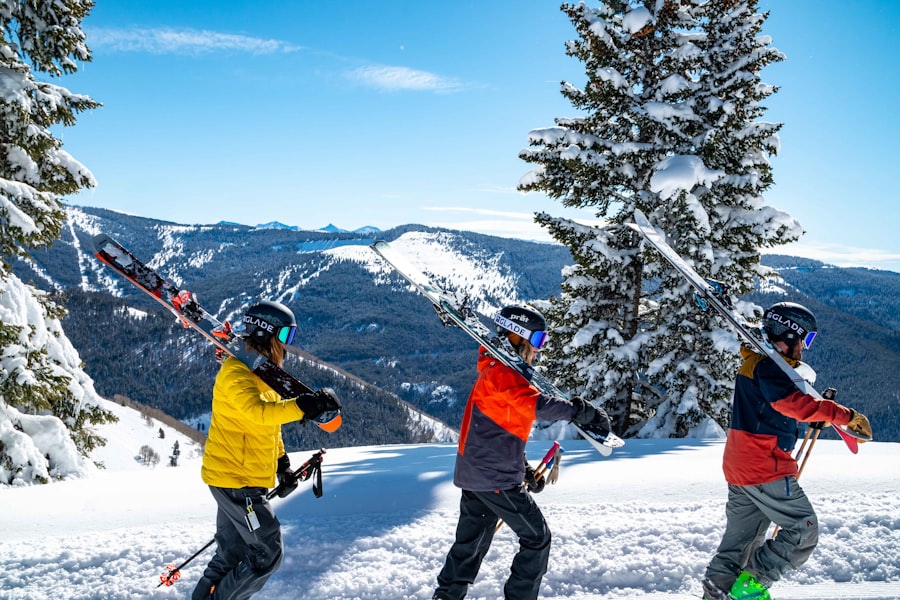
Several factors can influence the outcome of personal injury claims related to skiing accidents. One significant factor is the degree of negligence demonstrated by the parties involved. If it can be shown that another skier acted recklessly or that the ski resort failed to maintain safe conditions, this could strengthen your case significantly.
Conversely, if you are found to have contributed to the accident through reckless behavior—such as skiing outside designated areas—this could negatively impact your claim. Another factor to consider is the quality of evidence you are able to gather following the accident. Strong documentation—such as medical records, witness statements, and photographs—can bolster your case and help establish liability more clearly.
Additionally, insurance coverage plays a role; understanding the policies held by both yourself and any other parties involved will be crucial in determining how compensation is pursued.
Compensation for Skiing Accident Injuries
When pursuing compensation for injuries sustained in a skiing accident, it’s important to understand what types of damages you may be entitled to receive. Generally, compensation can cover medical expenses, lost wages due to missed work, pain and suffering, and even future medical costs if long-term treatment is necessary. Each case is unique; therefore, assessing the full extent of your damages is essential for ensuring that you receive fair compensation.
In some instances, punitive damages may also be awarded if it is determined that the responsible party acted with gross negligence or malice. These damages are intended to punish the wrongdoer and deter similar behavior in the future. Working with an experienced personal injury attorney can help you navigate these complexities and advocate for the compensation you deserve based on the specifics of your case.
Working with a Personal Injury Attorney for a Skiing Accident Claim
Navigating a personal injury claim after a skiing accident can be overwhelming, which is why enlisting the help of a personal injury attorney is often beneficial. An experienced attorney will understand the nuances of skiing accident claims and can guide you through each step of the process—from gathering evidence to negotiating with insurance companies. They will work diligently to ensure that your rights are protected and that you receive fair compensation for your injuries.
Moreover, having legal representation can alleviate some of the stress associated with pursuing a claim. Your attorney will handle communications with insurance companies and other parties involved while you focus on your recovery. They will also prepare your case for trial if necessary, ensuring that all aspects are thoroughly addressed.
Ultimately, working with a personal injury attorney can significantly enhance your chances of achieving a favorable outcome in your skiing accident claim.
If you are considering filing a personal injury claim for a skiing accident, it is important to seek the guidance of an experienced attorney. You can find a reputable personal injury attorney in Louisville by visiting this link. They will be able to assess your case and provide you with the necessary legal advice to help you navigate the complexities of personal injury law. Additionally, if you are in need of a bankruptcy attorney, you can find one at this link. It is crucial to have the right legal representation to ensure that your rights are protected and that you receive the compensation you deserve.
FAQs
What is a personal injury claim for a skiing accident?
A personal injury claim for a skiing accident is a legal case where an individual seeks compensation for injuries sustained while skiing due to the negligence of another party, such as a ski resort, ski equipment manufacturer, or another skier.
What types of injuries can be included in a personal injury claim for a skiing accident?
Injuries that can be included in a personal injury claim for a skiing accident may range from minor cuts and bruises to more serious injuries such as broken bones, head injuries, spinal cord injuries, and even wrongful death.
What are the common causes of skiing accidents that may lead to a personal injury claim?
Common causes of skiing accidents that may lead to a personal injury claim include collisions with other skiers, ski lift malfunctions, inadequate maintenance of ski slopes, defective ski equipment, and negligence of ski resort staff.
What should you do if you are injured in a skiing accident and want to file a personal injury claim?
If you are injured in a skiing accident and want to file a personal injury claim, it is important to seek medical attention immediately, gather evidence such as witness statements and photographs of the accident scene, and consult with a personal injury attorney who specializes in skiing accidents.
What is the statute of limitations for filing a personal injury claim for a skiing accident?
The statute of limitations for filing a personal injury claim for a skiing accident varies by state, but it is important to be aware of and adhere to the specific time limits for filing a claim in the state where the accident occurred.