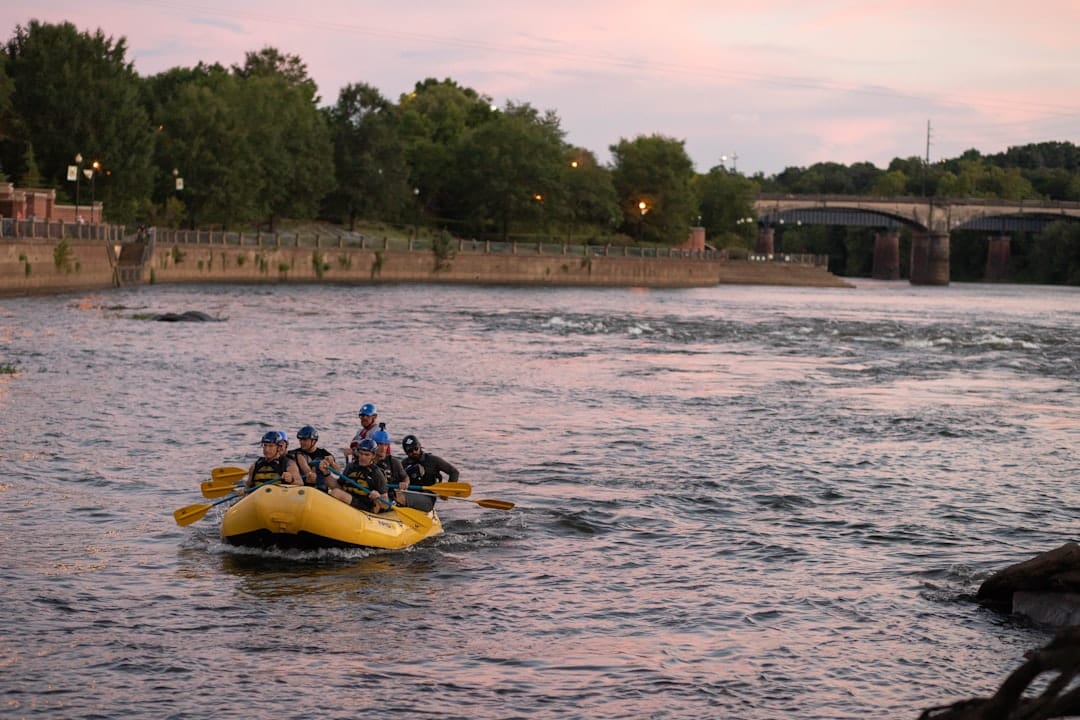
When you embark on a whitewater rafting adventure, the thrill of navigating through turbulent waters can be exhilarating. However, it is essential to recognize that this excitement comes with inherent risks. Whitewater rating accidents can occur due to various factors, including unpredictable weather conditions, sudden changes in water levels, or even equipment failure.
Understanding these accidents is crucial for anyone who participates in this sport, as it can help you make informed decisions and take necessary precautions. The classification of whitewater rivers is based on a rating system that ranges from Class I (easy) to Class VI (extremely dangerous). Each class presents different challenges and risks.
For instance, Class I rivers are generally safe for beginners, while Class V and VI rivers are reserved for experienced rafters. Familiarizing yourself with these classifications can help you gauge your skill level and choose appropriate rafting experiences. Additionally, understanding the common causes of accidents—such as capsizing, collisions with rocks, or being swept away by strong currents—can prepare you for potential hazards on the water.
Key Takeaways
- Whitewater rating accidents can result in serious injuries or even fatalities
- Liability in whitewater rafting accidents can be complex and may involve multiple parties
- Negligence plays a key role in personal injury claims related to whitewater rafting accidents
- Waivers and assumption of risk can impact the ability to seek damages in whitewater rafting accidents
- Potential damages in whitewater rafting accidents may include medical expenses, lost wages, and pain and suffering
Liability in Whitewater Rafting Accidents
Liability in whitewater rafting accidents can be a complex issue, often involving multiple parties. When you participate in a guided rafting trip, the tour operator may bear some responsibility for ensuring your safety. This includes providing well-maintained equipment, employing trained guides, and conducting thorough safety briefings.
If an accident occurs due to negligence on the part of the operator, you may have grounds for a liability claim. However, liability is not solely limited to the tour operator. Other parties, such as equipment manufacturers or even other rafters, may also share responsibility depending on the circumstances surrounding the accident.
For instance, if a piece of equipment fails due to a manufacturing defect, the manufacturer could be held liable. Understanding the nuances of liability can empower you to seek justice and compensation if you find yourself involved in a whitewater rafting accident.
Negligence and Personal Injury Claims
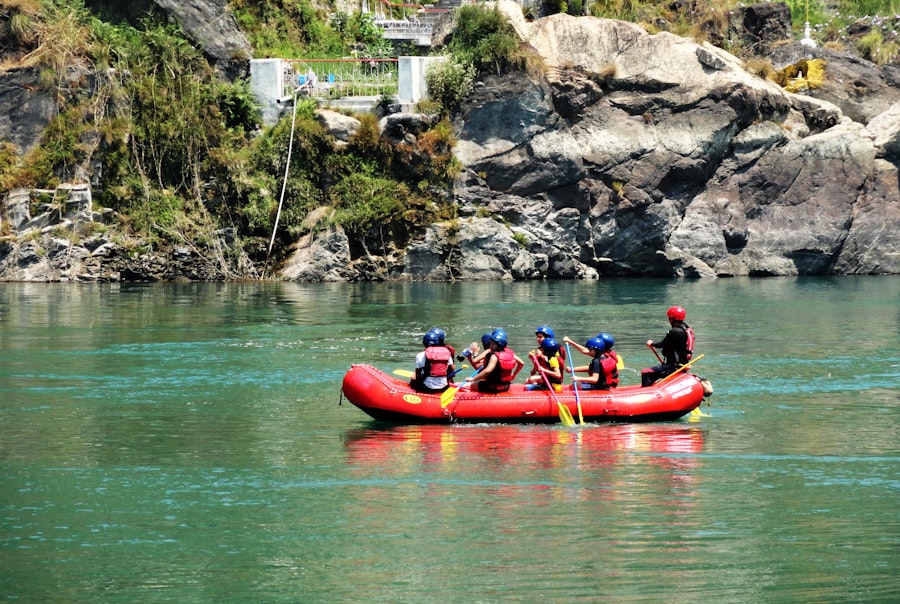
Negligence plays a pivotal role in personal injury claims related to whitewater rafting accidents. To establish negligence, you must demonstrate that another party failed to exercise reasonable care, leading to your injury. This could involve showing that a guide did not adequately prepare you for the challenges of the river or that safety protocols were not followed during your trip.
If you can prove that negligence occurred, you may be entitled to compensation for your injuries. In personal injury claims, it is essential to gather evidence to support your case. This may include photographs of the accident scene, witness statements, and medical records documenting your injuries.
Additionally, keeping detailed notes about the events leading up to the accident can strengthen your claim. By understanding the elements of negligence and how they apply to your situation, you can navigate the legal process more effectively.
The Role of Waivers and Assumption of Risk
Before embarking on a whitewater rafting adventure, you will likely be required to sign a waiver or release form. These documents are designed to inform you of the risks associated with the activity and often include an assumption of risk clause. By signing this waiver, you acknowledge that you understand the dangers involved and agree not to hold the tour operator liable for injuries sustained during the trip.
While waivers can limit liability for operators, they are not always foolproof. Courts may scrutinize these documents to determine their enforceability, especially if they are deemed overly broad or if negligence is evident. It is crucial to read and understand any waiver before signing it, as it can significantly impact your rights in the event of an accident.
Knowing your rights and the limitations of waivers can help you make informed decisions about participating in whitewater rafting activities.
Potential Damages in Whitewater Rafting Accidents
If you are injured in a whitewater rafting accident due to someone else’s negligence, you may be entitled to various types of damages. These damages can be categorized into economic and non-economic losses. Economic damages typically cover tangible costs such as medical expenses, lost wages, and rehabilitation costs.
For instance, if you require surgery or physical therapy due to your injuries, these expenses can add up quickly. Non-economic damages address the intangible effects of your injuries, such as pain and suffering, emotional distress, and loss of enjoyment of life. These damages can be more challenging to quantify but are equally important in representing the full impact of your injuries on your life.
Understanding the types of damages available can help you pursue a comprehensive claim that reflects your experiences and losses following a whitewater rafting accident.
Statute of Limitations for Filing a Lawsuit
Every state has a statute of limitations that dictates how long you have to file a lawsuit after an accident occurs. In whitewater rafting accidents, this timeframe can vary significantly depending on where the incident took place and the nature of your claim. Generally, personal injury claims must be filed within two to three years from the date of the accident; however, some states may have shorter or longer periods.
Failing to file your lawsuit within the statute of limitations can result in losing your right to seek compensation altogether. Therefore, it is crucial to be aware of these deadlines and take prompt action if you believe you have a valid claim. Consulting with a legal professional who specializes in personal injury law can help ensure that you meet all necessary deadlines and protect your rights.
Choosing the Right Legal Representation
Selecting the right legal representation is vital when pursuing a personal injury claim related to a whitewater rafting accident. You want an attorney who has experience in handling similar cases and understands the complexities involved in outdoor recreational activities. Look for someone who has a proven track record of success in securing favorable outcomes for their clients.
During your initial consultation with potential attorneys, ask about their experience with whitewater rafting cases specifically. Inquire about their approach to handling claims and how they plan to investigate your case. A good attorney will not only provide legal expertise but also offer support and guidance throughout the process, ensuring that you feel informed and empowered as you navigate your claim.
Steps to Take After a Whitewater Rafting Accident
If you find yourself involved in a whitewater rafting accident, knowing what steps to take can significantly impact your recovery and potential legal claim. First and foremost, prioritize your safety and well-being. If you or anyone else is injured, seek medical attention immediately.
Even if injuries seem minor at first glance, it is essential to get checked out by a healthcare professional. After ensuring everyone’s safety, document the scene as thoroughly as possible. Take photographs of any injuries sustained, equipment involved, and environmental conditions at the time of the accident.
Collect contact information from witnesses who may have seen what happened; their statements could prove invaluable later on. Finally, reach out to an attorney experienced in personal injury law who can guide you through the process of filing a claim and help protect your rights. In conclusion, understanding whitewater rafting accidents involves recognizing their inherent risks and complexities surrounding liability and negligence claims.
By being informed about waivers, potential damages, statutes of limitations, and legal representation options, you can better navigate any unfortunate incidents that may arise during your adventures on the water. Taking proactive steps after an accident can also significantly influence your recovery journey and potential compensation outcomes.
If you are considering filing a personal injury lawsuit after a whitewater rafting accident, you may want to consult with a personal injury attorney in El Paso. They can provide you with guidance on the legal process and help you determine if you have a valid claim. Additionally, if the accident occurred in a maritime setting, you may also want to seek advice from a maritime injury lawyer to ensure that your rights are protected. Industrial accidents can also result in personal injury claims, so it is important to consider all aspects of your case. Personal Injury Attorney in El Paso Maritime Injury Lawyer Industrial Accident Lawyer
FAQs
What is a whitewater rafting accident?
A whitewater rafting accident refers to any incident that occurs while participating in the sport of whitewater rafting, such as capsizing, colliding with rocks or other obstacles, or falling out of the raft.
Can you sue for personal injury after a whitewater rafting accident?
Yes, it is possible to sue for personal injury after a whitewater rafting accident if the accident was caused by the negligence of the rafting company, guide, or another party.
What are some common causes of whitewater rafting accidents?
Common causes of whitewater rafting accidents include inexperienced guides, equipment failure, inadequate safety measures, and environmental factors such as high water levels or strong currents.
What should I do if I am injured in a whitewater rafting accident?
If you are injured in a whitewater rafting accident, seek medical attention immediately. It is also important to document the details of the accident, including taking photos and obtaining contact information from any witnesses.
How can I prove negligence in a whitewater rafting accident case?
To prove negligence in a whitewater rafting accident case, you will need to demonstrate that the rafting company or guide failed to uphold their duty of care, leading to your injury. This may involve showing that they did not provide adequate safety instructions, equipment, or supervision.