
When you find yourself involved in a personal injury case, the first step is to familiarize yourself with the relevant laws and regulations that govern such matters in your jurisdiction. Each state has its own set of rules regarding personal injury claims, including statutes of limitations, liability standards, and compensation limits. Understanding these laws is crucial, as they can significantly impact your case.
For instance, if you fail to file your claim within the designated time frame, you may lose your right to seek compensation altogether. Therefore, it is essential to be aware of the deadlines and requirements specific to your situation. Additionally, you should understand the concept of negligence, which is often at the heart of personal injury cases.
Negligence occurs when someone fails to act with reasonable care, resulting in harm to another person. Familiarizing yourself with the elements of negligence—duty of care, breach of duty, causation, and damages—will help you assess the strength of your case. By grasping these legal principles, you can better navigate the complexities of your claim and make informed decisions as you move forward.
Key Takeaways
- Understanding the laws and regulations is crucial in navigating the personal injury claim process.
- Gathering evidence and documentation is essential to support your claim and prove the extent of your injuries.
- Seeking medical attention immediately after an accident is important for your health and for documenting your injuries.
- Contacting a personal injury attorney can help you understand your legal options and navigate the complex legal process.
- Communicating with insurance companies should be done carefully and with the guidance of your attorney to protect your rights and interests.
- Negotiating a settlement with the at-fault party or their insurance company may be an option to consider before pursuing a trial.
- Preparing for trial may be necessary if a fair settlement cannot be reached through negotiation.
- Seeking closure and moving forward after a personal injury claim is important for your emotional and mental well-being.
Gathering Evidence and Documentation
Once you have a solid understanding of the laws that apply to your case, the next step is to gather evidence and documentation that supports your claim. This process is vital, as the strength of your case often hinges on the quality and quantity of evidence you can present. Start by collecting any relevant medical records that detail your injuries and treatment.
These documents will not only help establish the extent of your injuries but also demonstrate the impact they have had on your life. In addition to medical records, consider gathering witness statements, photographs of the accident scene, and any police reports that were filed. Each piece of evidence can play a crucial role in building a compelling narrative for your case.
If possible, take photographs of your injuries as well; visual evidence can be incredibly persuasive in illustrating the severity of your situation. The more comprehensive your documentation is, the stronger your case will be when it comes time to negotiate or present it in court.
Seeking Medical Attention
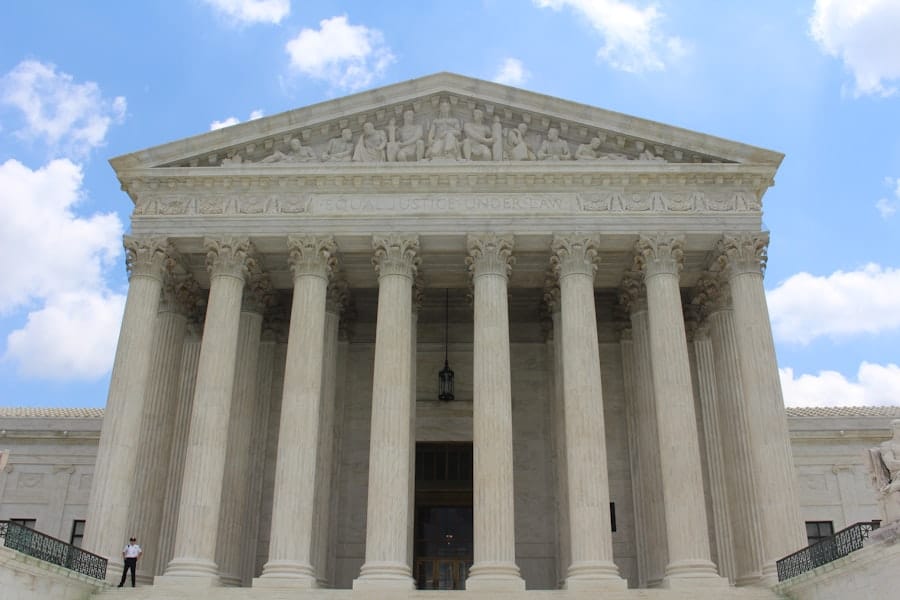
Seeking medical attention should be one of your top priorities following an injury. Not only is it essential for your health and recovery, but it also serves as a critical component in substantiating your personal injury claim. When you visit a healthcare professional, ensure that you communicate all your symptoms and concerns clearly.
This will help them provide an accurate diagnosis and appropriate treatment plan. Additionally, obtaining a thorough medical evaluation will create a documented record of your injuries, which can be invaluable when pursuing compensation. Moreover, following through with recommended treatments and attending all follow-up appointments demonstrates your commitment to recovery.
Insurance companies often scrutinize medical records closely; if they see gaps in treatment or missed appointments, they may argue that your injuries are not as severe as claimed. By prioritizing your health and adhering to medical advice, you not only improve your chances of recovery but also strengthen your case for compensation.
Contacting a Personal Injury Attorney
Navigating the complexities of a personal injury claim can be overwhelming, which is why contacting a personal injury attorney is often a wise decision. An experienced attorney can provide invaluable guidance throughout the process, helping you understand your rights and options. They will assess the details of your case and advise you on the best course of action based on their expertise in personal injury law.
This initial consultation is typically free and allows you to gauge whether the attorney is a good fit for your needs. Once you decide to hire an attorney, they will take on the heavy lifting involved in building your case. This includes gathering evidence, communicating with insurance companies, and negotiating on your behalf.
Having a legal professional by your side not only alleviates some of the stress associated with managing a claim but also increases your chances of securing a favorable outcome. With their knowledge and experience, they can navigate potential pitfalls and ensure that you are adequately compensated for your injuries.
Communicating with Insurance Companies
When dealing with insurance companies after an accident, it’s crucial to approach communication with caution. Insurance adjusters are trained to minimize payouts and may use various tactics to undermine your claim. Therefore, it’s essential to be mindful of what you say during these conversations.
Stick to the facts and avoid providing any statements that could be interpreted as admitting fault or downplaying the severity of your injuries. Remember that anything you say can be used against you later in the process. It’s also wise to keep a record of all communications with insurance representatives.
Document dates, times, names of individuals spoken to, and summaries of discussions. This information can be beneficial if disputes arise later on regarding what was said or agreed upon. If at any point you feel overwhelmed or uncertain about how to proceed, don’t hesitate to consult with your personal injury attorney for guidance on how best to handle these interactions.
Negotiating a Settlement
Negotiating a settlement is often one of the most critical phases in a personal injury case. After gathering evidence and assessing damages, your attorney will likely initiate discussions with the insurance company regarding compensation for your injuries. It’s essential to approach this stage with realistic expectations while also being prepared to advocate for what you deserve.
Your attorney will help you determine a fair settlement amount based on factors such as medical expenses, lost wages, pain and suffering, and any long-term impacts on your quality of life. During negotiations, be prepared for back-and-forth discussions with the insurance company. They may present an initial offer that falls short of what you believe is fair compensation.
It’s important not to rush into accepting the first offer; instead, take time to evaluate it thoroughly with your attorney’s guidance. Negotiation can be a lengthy process, but patience is key. A well-prepared approach can lead to a more favorable settlement that adequately addresses your needs.
Preparing for Trial
While many personal injury cases are resolved through settlements, some may proceed to trial if an agreement cannot be reached. Preparing for trial requires careful planning and organization. Your attorney will work with you to gather all necessary documentation and evidence that supports your case.
This includes witness statements, expert testimonies, medical records, and any other relevant materials that can bolster your argument in court. In addition to gathering evidence, it’s essential to prepare yourself mentally for what to expect during the trial process. Trials can be emotionally taxing and may involve presenting personal details about your life and injuries in front of a judge and jury.
Your attorney will guide you through this process, helping you understand courtroom procedures and what questions you may face during cross-examination. Being well-prepared can help alleviate some anxiety and allow you to focus on presenting your case effectively.
Seeking Closure and Moving Forward
After navigating the complexities of a personal injury case—whether through settlement or trial—seeking closure is an important step in moving forward with your life. The emotional toll of an injury can linger long after physical wounds have healed; therefore, taking time for self-reflection and healing is essential. Consider engaging in activities that promote well-being and allow you to reconnect with yourself outside of the trauma you’ve experienced.
Additionally, it may be beneficial to seek support from friends, family, or even professional counseling services as you transition into this new chapter of life. Sharing your experiences with others who understand can provide comfort and validation during this time of adjustment. Remember that while the journey may have been challenging, it has also equipped you with resilience and strength that will serve you well in future endeavors.
Embrace this opportunity for growth as you move forward into a brighter future.
If you are dealing with a personal injury case involving a driver ignoring railroad crossing laws, you may want to seek the expertise of a personal injury attorney in New Orleans may also be able to provide valuable assistance in navigating the legal complexities of your case.
FAQs
What are the common causes of personal injury cases involving drivers ignoring railroad crossing laws?
Some common causes of personal injury cases involving drivers ignoring railroad crossing laws include distracted driving, impaired driving, disregard for warning signals, and failure to yield to oncoming trains.
What steps should be taken immediately after a personal injury incident involving a driver ignoring railroad crossing laws?
Immediately after a personal injury incident involving a driver ignoring railroad crossing laws, it is important to seek medical attention, report the incident to the authorities, gather evidence such as witness statements and photographs, and consult with a personal injury attorney.
How can a personal injury attorney help in a case involving a driver ignoring railroad crossing laws?
A personal injury attorney can help in a case involving a driver ignoring railroad crossing laws by investigating the incident, gathering evidence, negotiating with insurance companies, and representing the injured party in court if necessary.
What are the potential damages that can be recovered in a personal injury case involving a driver ignoring railroad crossing laws?
Potential damages that can be recovered in a personal injury case involving a driver ignoring railroad crossing laws may include medical expenses, lost wages, pain and suffering, property damage, and in some cases, punitive damages.
What are the legal implications for a driver who ignores railroad crossing laws and causes a personal injury incident?
A driver who ignores railroad crossing laws and causes a personal injury incident may face legal implications such as traffic citations, civil liability for the injuries and damages caused, and in some cases, criminal charges if their actions were particularly reckless or negligent.