
When a minor is involved in a legal matter, it is crucial to understand the unique aspects of the legal process that pertain specifically to them. The legal system recognizes that minors, due to their age and developmental stage, require special considerations. This means that the laws governing their cases can differ significantly from those applicable to adults.
For instance, in many jurisdictions, minors cannot enter into contracts or sue on their own behalf without a guardian or parent acting on their behalf. This necessitates a thorough understanding of the legal framework surrounding minors, as it can significantly impact the outcome of any case. As you navigate this process, it is essential to be aware of the various legal protections in place for minors.
These protections are designed to ensure that their rights are upheld and that they are treated fairly within the legal system. For example, in personal injury cases, courts often take into account the long-term implications of an injury on a minor’s life, including their education and future opportunities. Understanding these nuances can help you advocate more effectively for the minor’s best interests and ensure that their voice is heard throughout the legal proceedings.
Key Takeaways
- Understanding the legal process for minors is crucial for navigating the complexities of the legal system when representing a minor in a personal injury case.
- Finding the right legal representation is essential to ensure that the minor’s rights and best interests are protected throughout the legal proceedings.
- Documenting the injury and its impact on the minor is important for building a strong case and demonstrating the extent of the harm caused.
- Dealing with insurance companies and settlements requires careful negotiation to ensure proper compensation for medical expenses and future needs of the minor.
- Navigating court proceedings and legal requirements can be overwhelming, but with the right legal representation, the process can be managed effectively to protect the minor’s rights and best interests.
Finding the Right Legal Representation
Finding the right legal representation is a critical step in ensuring that a minor’s case is handled appropriately. Not all attorneys have the same level of experience or expertise when it comes to representing minors, so it is essential to seek out someone who specializes in this area of law. Look for attorneys who have a proven track record of successfully handling cases involving minors, particularly in the specific type of case you are dealing with, whether it be personal injury, custody disputes, or other legal matters.
When evaluating potential legal representatives, consider scheduling consultations to discuss your case and gauge their understanding of the unique challenges faced by minors in legal situations. During these meetings, pay attention to how they communicate with both you and the minor. A good attorney should be able to explain complex legal concepts in a way that is accessible and understandable for both you and the child.
Additionally, they should demonstrate a genuine concern for the minor’s well-being and be willing to advocate fiercely on their behalf.
Documenting the Injury and Its Impact on the Minor
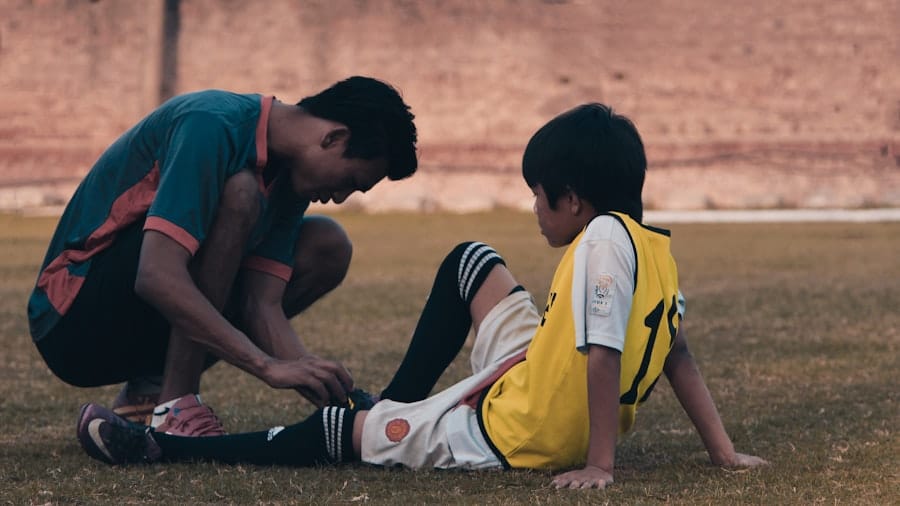
Thorough documentation of the injury and its impact on the minor is vital for building a strong case. This process begins with collecting all relevant medical records, including diagnoses, treatment plans, and any follow-up care that may be necessary. It is also important to keep detailed notes about how the injury has affected the minor’s daily life, including changes in behavior, academic performance, and social interactions.
This information can provide valuable context for the legal proceedings and help illustrate the full extent of the injury’s impact. In addition to medical documentation, consider gathering statements from teachers, coaches, or other adults who interact with the minor regularly. These individuals can provide insight into how the injury has affected the minor’s ability to participate in activities they once enjoyed or how it has influenced their emotional well-being.
By compiling a comprehensive picture of the injury’s effects, you can strengthen your case and ensure that all aspects of the minor’s experience are taken into account during legal proceedings.
Dealing with Insurance Companies and Settlements
Navigating interactions with insurance companies can be one of the most challenging aspects of pursuing a legal case involving a minor. Insurance adjusters are trained to minimize payouts and may employ various tactics to downplay the severity of an injury or its long-term implications. It is crucial to approach these discussions with caution and to be prepared for potential pushback from insurance representatives.
Having a knowledgeable attorney by your side can make a significant difference in how these negotiations unfold. When discussing settlements, it is essential to consider not only immediate medical expenses but also future needs that may arise as a result of the injury. This includes ongoing medical care, therapy, and any necessary accommodations for educational or social activities.
A fair settlement should take into account both current and future costs associated with the injury, ensuring that the minor’s needs are fully addressed. Your attorney can help you evaluate settlement offers and negotiate terms that reflect the true impact of the injury on the minor’s life.
Navigating Court Proceedings and Legal Requirements
If your case proceeds to court, understanding the specific legal requirements and procedures is essential for ensuring a smooth process. Court proceedings involving minors often have additional rules designed to protect their interests and privacy. For example, many courts require that cases involving minors be handled with heightened confidentiality, limiting public access to certain documents or hearings.
Familiarizing yourself with these requirements can help you prepare for what to expect during court appearances. Additionally, it is important to understand how minors are represented in court. In many cases, a guardian ad litem may be appointed to advocate for the minor’s best interests during proceedings.
This individual acts independently of both parties and focuses solely on what is best for the child involved. Knowing how this process works can help you feel more confident as you navigate court proceedings and ensure that the minor’s voice is heard throughout.
Protecting the Minor’s Rights and Best Interests
Throughout any legal process involving a minor, protecting their rights and best interests should always be your top priority. This means being vigilant about ensuring that their voice is heard and that they are treated fairly at every stage of the proceedings. It is essential to remain informed about their rights under local laws and regulations, as well as any specific protections afforded to minors in legal situations.
Advocating for a minor’s best interests may also involve making difficult decisions about how to proceed with a case. For instance, you may need to weigh the potential benefits of pursuing litigation against the emotional toll it could take on the child. In such situations, consulting with professionals who specialize in child psychology or family law can provide valuable insights into what might be best for the minor’s overall well-being.
Ensuring Proper Compensation for Medical Expenses and Future Needs
One of your primary goals in pursuing legal action on behalf of a minor should be to secure proper compensation for medical expenses and future needs resulting from an injury. This involves not only addressing immediate medical costs but also considering long-term implications such as ongoing therapy or rehabilitation services. It is crucial to work closely with medical professionals who can provide expert opinions on what future care may be necessary based on the specifics of the injury.
In addition to medical expenses, compensation should also account for other factors such as lost educational opportunities or diminished quality of life due to the injury. This comprehensive approach ensures that all aspects of how the injury has affected the minor are considered when negotiating settlements or pursuing damages in court. Your attorney can help you gather evidence and present a compelling case for why adequate compensation is necessary to support the minor’s recovery and future well-being.
Providing Emotional Support for the Minor and Family
Finally, while navigating legal proceedings can be overwhelming, it is essential not to overlook the emotional support needed by both the minor and their family during this time. Injuries can have profound psychological effects on children, leading to feelings of anxiety, depression, or isolation. Providing consistent emotional support through open communication and reassurance can help mitigate these feelings and foster resilience.
Encouraging participation in support groups or counseling services can also be beneficial for both the minor and family members who may be struggling with their own emotions related to the situation. By prioritizing emotional well-being alongside legal considerations, you can create a more holistic approach to recovery that addresses both physical and psychological needs. Ultimately, ensuring that both the minor and their family feel supported throughout this process will contribute significantly to their overall healing journey.
If you are looking for more expert insights on personal injury cases, check out this article featuring interviews and insights from experienced attorneys. They provide valuable information that can help you navigate through the legal process.
FAQs
What is a personal injury case involving a minor?
A personal injury case involving a minor is a legal case in which a child under the age of 18 has been injured due to the negligence or intentional actions of another party. This can include car accidents, slip and fall incidents, medical malpractice, and more.
What are the steps to take in a personal injury case involving a minor?
The steps to take in a personal injury case involving a minor include seeking medical attention for the child, gathering evidence of the injury and the circumstances surrounding it, contacting a personal injury attorney, filing a claim or lawsuit, and negotiating a settlement or going to trial if necessary.
What are the legal considerations when dealing with a personal injury case involving a minor?
When dealing with a personal injury case involving a minor, there are legal considerations such as the statute of limitations, the appointment of a guardian ad litem to represent the child’s interests, and the potential for structured settlements to ensure the child’s long-term financial security.
How is compensation handled in a personal injury case involving a minor?
Compensation in a personal injury case involving a minor may be handled through a settlement or a court award. The compensation is typically used to cover medical expenses, future medical care, pain and suffering, and any other damages resulting from the injury.
What are the challenges of dealing with a personal injury case involving a minor?
Challenges of dealing with a personal injury case involving a minor can include the emotional impact on the child and their family, the need to protect the child’s best interests, and the complexities of navigating the legal system on behalf of a minor.