
When it comes to personal injury cases involving children, it is crucial to recognize that they possess specific legal rights that differ from those of adults. As a parent or guardian, you must understand these rights to effectively advocate for your child’s best interests. Children are often considered more vulnerable than adults, which is why the law provides them with certain protections.
For instance, minors typically cannot file lawsuits on their own; instead, a parent or legal guardian must act on their behalf. This legal framework is designed to ensure that children receive the necessary support and representation when navigating the complexities of personal injury claims. Moreover, the legal system acknowledges that children may not fully comprehend the implications of their injuries or the legal proceedings that follow.
This lack of understanding can impact their ability to make informed decisions regarding their case. As a result, courts often take extra precautions to ensure that children’s rights are upheld throughout the process. You should be aware that statutes of limitations—time limits for filing a claim—may differ for minors, allowing them additional time to pursue legal action once they reach adulthood.
Understanding these nuances is essential for you as a guardian, as it empowers you to make informed decisions that will benefit your child in the long run.
Key Takeaways
- Children have legal rights in personal injury cases, including the right to compensation for their injuries.
- Gathering evidence and documentation is crucial for a successful personal injury claim on behalf of a child.
- Working with a qualified personal injury attorney who has experience with child injury cases is essential for a favorable outcome.
- Assessing the damages and compensation for a child’s injury requires consideration of long-term effects and future needs.
- Filing the claim and navigating the legal process on behalf of a child requires careful attention to detail and adherence to specific procedures.
Gathering Evidence and Documentation for the Claim
Once you have a grasp of your child’s legal rights, the next step involves gathering evidence and documentation to support the personal injury claim. This process is vital, as the strength of your case will largely depend on the quality and quantity of evidence you can present. Start by collecting all relevant medical records, including hospital bills, treatment plans, and any documentation related to your child’s injuries.
These records will not only help establish the extent of the injuries but also demonstrate the impact they have had on your child’s life. In addition to medical documentation, you should also gather any evidence related to the incident that caused the injury. This may include photographs of the accident scene, witness statements, and police reports if applicable.
If your child was injured in a public place or due to someone else’s negligence, documenting the circumstances surrounding the incident is crucial. You may also want to keep a journal detailing your child’s recovery process, including any emotional or psychological effects they may experience. This comprehensive collection of evidence will serve as a solid foundation for your claim and help convey the full extent of your child’s suffering.
Identifying and Working with a Qualified Personal Injury Attorney

Navigating a personal injury case can be overwhelming, especially when it involves a child. Therefore, finding a qualified personal injury attorney who specializes in cases involving minors is essential. A skilled attorney will not only understand the intricacies of personal injury law but also be familiar with the unique challenges that arise when representing children.
When searching for an attorney, consider their experience, track record, and approach to client communication. You want someone who will prioritize your child’s needs and keep you informed throughout the process. Once you have identified a suitable attorney, establishing a strong working relationship is key.
Open communication is vital; ensure that you feel comfortable discussing your concerns and asking questions. Your attorney should be able to explain complex legal concepts in a way that you can understand, allowing you to make informed decisions about your child’s case. Additionally, they should be proactive in gathering evidence, negotiating with insurance companies, and preparing for any potential court proceedings.
By collaborating closely with your attorney, you can ensure that your child’s rights are protected and that their best interests remain at the forefront of the case.
Assessing the Damages and Compensation for the Child’s Injury
Assessing damages in a personal injury case involving a child requires careful consideration of various factors. Damages can be categorized into two main types: economic and non-economic. Economic damages encompass tangible losses such as medical expenses, rehabilitation costs, and any necessary future care related to the injury.
You should meticulously document all expenses incurred as a result of your child’s injury to ensure that you seek appropriate compensation. On the other hand, non-economic damages pertain to intangible losses such as pain and suffering, emotional distress, and loss of enjoyment of life. Evaluating these damages can be more subjective and may require expert testimony or psychological evaluations to substantiate claims.
As a parent or guardian, it is essential to consider how your child’s injury has affected their daily life, relationships, and overall well-being. By thoroughly assessing both economic and non-economic damages, you can present a comprehensive picture of your child’s suffering and pursue fair compensation.
Filing the Claim and Navigating the Legal Process
Filing a personal injury claim on behalf of your child involves several steps that require careful attention to detail. After gathering all necessary evidence and documentation, your attorney will help you prepare the claim and submit it to the appropriate parties. This process typically begins with sending a demand letter to the at-fault party’s insurance company outlining your child’s injuries and the compensation sought.
It is crucial to ensure that all deadlines are met during this phase, as failing to do so could jeopardize your case. Once the claim is filed, you may enter into negotiations with the insurance company regarding compensation. This stage can be complex and may involve back-and-forth discussions about liability and damages.
Your attorney will play a pivotal role in advocating for your child’s rights during this process. If negotiations do not yield a satisfactory outcome, you may need to consider filing a lawsuit in court. Understanding the legal process can be daunting, but having a knowledgeable attorney by your side will help guide you through each step while ensuring that your child’s best interests are prioritized.
Negotiating a Settlement or Going to Trial
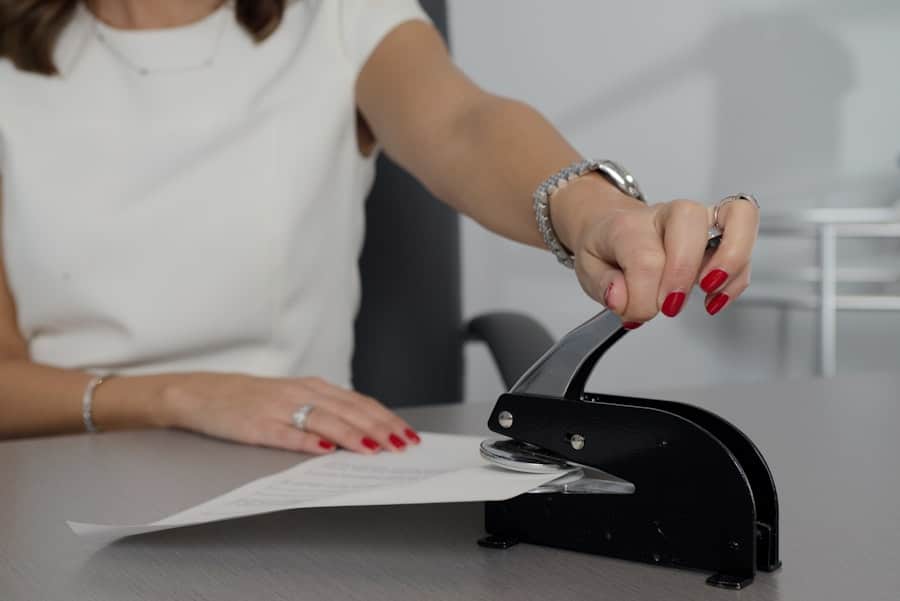
As you navigate your child’s personal injury case, you will likely face decisions regarding whether to negotiate a settlement or proceed to trial. Settlements can offer several advantages, including quicker resolution and reduced legal costs. Your attorney will work diligently to negotiate with the insurance company on your behalf, aiming for a fair settlement that adequately compensates your child for their injuries.
It is essential to approach negotiations with realistic expectations while remaining firm about what constitutes fair compensation. However, if negotiations do not lead to an acceptable settlement offer, going to trial may become necessary. While this option can be more time-consuming and emotionally taxing, it may ultimately be required to secure just compensation for your child’s injuries.
Your attorney will prepare you for what to expect during trial proceedings, including presenting evidence and witness testimonies before a judge or jury. Ultimately, whether you choose to settle or go to trial will depend on various factors, including the strength of your case and your child’s specific needs.
Ensuring the Child’s Best Interests are Protected Throughout the Process
Throughout the entire personal injury process, it is paramount that you prioritize your child’s best interests at every turn. This means not only advocating for fair compensation but also considering how each decision may impact their emotional and psychological well-being. The legal proceedings can be stressful for children; therefore, maintaining open lines of communication with them is essential.
Keep them informed about what is happening in their case while being mindful of their emotional state. Additionally, consider involving mental health professionals if necessary to help your child cope with any trauma resulting from their injury or the legal process itself. Ensuring that they feel supported during this challenging time will contribute significantly to their overall recovery.
By focusing on both their legal rights and emotional needs, you can create an environment where your child feels safe and empowered throughout this journey.
Understanding the Role of Guardians and Parents in the Claim
As a guardian or parent involved in a personal injury claim on behalf of your child, it is essential to understand your role in this process fully. You are not only responsible for making decisions regarding legal representation but also for ensuring that your child’s needs are met throughout every stage of the claim. This includes being actively involved in discussions with attorneys, attending meetings related to the case, and providing necessary documentation.
Moreover, you must remain vigilant about protecting your child’s interests during negotiations or court proceedings. This means being prepared to advocate fiercely for their rights while also being open to guidance from legal professionals who understand the intricacies of personal injury law. Your involvement is crucial in ensuring that your child receives fair treatment and compensation for their injuries while navigating what can often be an overwhelming legal landscape.
In conclusion, understanding the legal rights of children in personal injury cases is vital for parents and guardians seeking justice on behalf of their injured children. By gathering evidence meticulously, working closely with qualified attorneys, assessing damages accurately, navigating legal processes effectively, negotiating settlements wisely, prioritizing children’s best interests throughout proceedings, and understanding parental roles in claims—parents can significantly impact their child’s recovery journey and future well-being.
If you are considering filing a personal injury claim for a child, it is important to understand what is considered a major injury. According to a related article on personalinjuryattorney-online.com, major injuries can have a significant impact on a child’s life and may require extensive medical treatment. It is crucial to seek expert tips for handling your personal injury claim, as outlined in another article on the same website. Additionally, if you are in the Orange County area, you may want to consult with a local attorney specializing in personal injury cases to ensure the best possible outcome for your child’s claim.
FAQs
What is a personal injury claim for a child?
A personal injury claim for a child is a legal action taken on behalf of a minor who has been injured due to the negligence or intentional actions of another party. This type of claim seeks to obtain compensation for the child’s medical expenses, pain and suffering, and other damages resulting from the injury.
Who can file a personal injury claim for a child?
In most cases, a parent or legal guardian is responsible for filing a personal injury claim on behalf of a child. If the child does not have a parent or legal guardian, a court-appointed representative may be assigned to handle the claim.
What are the steps involved in filing a personal injury claim for a child?
The process of filing a personal injury claim for a child typically involves gathering evidence of the injury, determining liability, negotiating with insurance companies, and potentially filing a lawsuit. It is important to seek the guidance of a qualified personal injury attorney to navigate this process.
What types of compensation can be sought in a personal injury claim for a child?
Compensation sought in a personal injury claim for a child may include medical expenses, future medical care, pain and suffering, emotional distress, loss of enjoyment of life, and any other damages resulting from the injury.
What is the statute of limitations for filing a personal injury claim for a child?
The statute of limitations for filing a personal injury claim for a child varies by state and type of injury. It is important to consult with a personal injury attorney to ensure that the claim is filed within the applicable time frame.