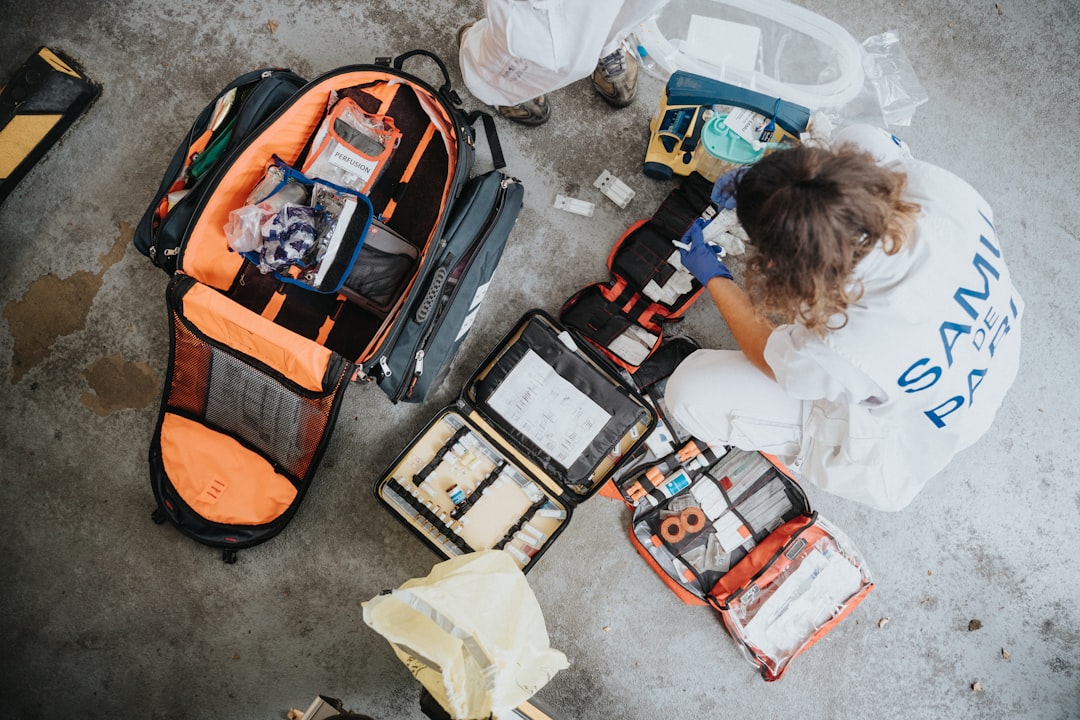
When you find yourself in the aftermath of a car accident, the first step is to assess the situation around you. Take a moment to gather your thoughts and focus on what has just occurred. Look around to determine if anyone is in immediate danger or if there are any ongoing hazards, such as leaking fuel or obstructed roadways.
Your safety and the safety of others should be your primary concern. If the accident has taken place in a busy area, be aware of oncoming traffic and potential risks that could arise from the chaos. As you assess the situation, try to remain calm and composed.
Panic can cloud your judgment and hinder your ability to make sound decisions. Check your surroundings for any signs of distress from other drivers or passengers involved in the accident. If you notice someone who appears to be injured or in shock, it’s crucial to approach them with caution and empathy.
Your ability to remain level-headed can not only help you but also provide comfort to those around you who may be feeling overwhelmed.
Key Takeaways
- Assess the situation: Take a moment to evaluate the surroundings and potential dangers before taking any action.
- Check for injuries: Prioritize the safety and well-being of yourself and others involved in the accident.
- Move to a safe location: If possible, move the vehicles to the side of the road to avoid obstructing traffic and further accidents.
- Call emergency services: Contact the appropriate authorities to report the accident and request medical assistance if needed.
- Exchange information with the other driver: Gather necessary details such as name, contact information, and insurance details from the other party involved in the accident.
Check for Injuries
Once you have assessed the situation, the next step is to check for injuries—both your own and those of others involved in the accident. Begin by taking a moment to evaluate how you feel. Are you experiencing any pain or discomfort?
Sometimes, adrenaline can mask injuries, so it’s essential to be mindful of any unusual sensations in your body. If you feel capable, check on your passengers as well, ensuring that everyone is accounted for and safe. After ensuring your own well-being, turn your attention to the other parties involved in the accident.
Approach them cautiously and ask if they are okay. If they appear to be injured, do not attempt to move them unless there is an immediate danger, such as a fire or oncoming traffic. Instead, reassure them that help is on the way and encourage them to remain still until emergency services arrive.
Your calm demeanor can help alleviate their anxiety during a stressful time.
Move to a Safe Location
If it is safe to do so, moving to a secure location is crucial after an accident. This step is particularly important if your vehicle is still operational and can be moved without causing further harm. If you are on a busy road or highway, try to steer your car to the shoulder or a nearby parking lot where it will be out of harm’s way.
This action not only protects you but also prevents additional accidents from occurring due to distracted drivers. However, if your vehicle is not drivable or if moving it poses a risk, stay inside with your seatbelt fastened until help arrives. Turn on your hazard lights to alert other drivers of your presence and the situation at hand.
If you have flares or warning triangles, use them to create a visible barrier around your vehicle. Your priority should always be safety—yours and that of others on the road.
Call Emergency Services
Once you have ensured that everyone is safe and in a secure location, it’s time to call emergency services. Dialing 911 or your local emergency number should be one of your top priorities after an accident. When speaking with the operator, provide clear and concise information about your location and the nature of the incident.
Mention how many vehicles are involved and whether there are any injuries that require immediate medical attention. While waiting for emergency services to arrive, it’s important to remain calm and composed. Use this time to gather your thoughts and prepare for what comes next.
If possible, ask someone nearby to assist you in directing traffic away from the scene until help arrives. Your proactive approach can help prevent further accidents and ensure that emergency responders can reach you quickly.
Exchange Information with the Other Driver
After emergency services have been contacted, it’s essential to exchange information with the other driver involved in the accident. This exchange typically includes names, contact information, insurance details, and vehicle registration numbers. Be polite and cooperative during this process; maintaining a respectful demeanor can help ease tensions that may arise from the situation.
While exchanging information, take note of any relevant details that could be important later on. For instance, jot down the make and model of the other vehicle, as well as any visible damage it may have sustained. If there are witnesses present, consider asking for their contact information as well; their accounts could prove invaluable if disputes arise later regarding fault or liability.
Document the Scene
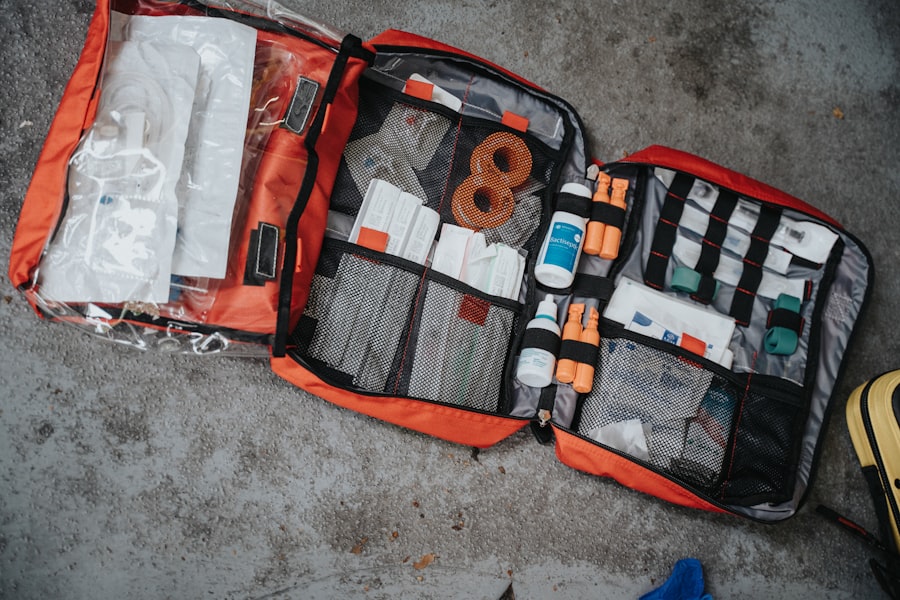
Documenting the scene of the accident is a critical step that should not be overlooked. Use your smartphone or a camera to take clear photographs of all vehicles involved from multiple angles. Capture images of any damage sustained by each vehicle, as well as any relevant road signs or signals that may have contributed to the accident.
These visual records can serve as vital evidence when dealing with insurance claims or legal matters. In addition to photographs, consider writing down your own account of what happened while it’s still fresh in your mind. Include details such as the time of day, weather conditions, and any factors that may have influenced the accident.
This written record can provide clarity later on when discussing the incident with insurance companies or legal representatives.
Notify Your Insurance Company
Once you have documented the scene and exchanged information with the other driver, it’s time to notify your insurance company about the accident. Most insurance policies require prompt reporting of incidents, so don’t delay in making this call. When speaking with your insurance representative, provide them with all relevant details about the accident, including the information you gathered from the other driver and any witnesses.
Be prepared for questions regarding the circumstances surrounding the accident. Your insurance company will likely want to know how it occurred and whether there were any injuries involved. It’s important to be honest and straightforward during this conversation; providing accurate information will help facilitate a smoother claims process down the line.
Seek Medical Attention
Even if you feel fine immediately after the accident, seeking medical attention is a wise decision. Some injuries may not manifest symptoms right away due to adrenaline or shock, so it’s crucial to get checked out by a healthcare professional as soon as possible. Whether you visit an urgent care facility or go directly to a hospital, having a medical evaluation can help identify any hidden injuries that may require treatment.
In addition to addressing potential physical injuries, seeking medical attention can also provide documentation of your condition following the accident. This documentation can be essential if you need to file an insurance claim or pursue legal action later on. Remember that taking care of your health should always be a priority; don’t hesitate to seek help even if you believe you are unscathed.
In conclusion, navigating the aftermath of a car accident can be overwhelming, but following these steps can help ensure that you handle the situation effectively and safely. By assessing the situation, checking for injuries, moving to a safe location, calling emergency services, exchanging information with other drivers, documenting the scene, notifying your insurance company, and seeking medical attention, you can protect yourself and others while laying the groundwork for resolving any issues that may arise from the incident.
If you have been involved in a boating accident, it is important to seek legal help from a boating accident lawyer near you to ensure your rights are protected and you receive the compensation you deserve. Just like in a car accident, knowing what steps to take immediately after the incident can make a significant difference in the outcome of your case. Contacting a personal injury attorney in Omaha or a personal injury attorney in Henderson can help you navigate the legal process and get the help you need.
FAQs
What should I do immediately after a car accident?
After a car accident, you should first check for injuries and call emergency services if necessary. Then, exchange information with the other driver, take photos of the accident scene, and notify your insurance company.
Should I move my car after a car accident?
If it is safe to do so, you should move your car to the side of the road to prevent further accidents and to allow traffic to flow. However, if there are injuries or if moving the vehicles would cause further damage, it is best to leave them in place.
Do I need to call the police after a car accident?
It is recommended to call the police after a car accident, especially if there are injuries, significant property damage, or if the other driver is uncooperative. A police report can be helpful for insurance claims and legal purposes.
What information should I exchange with the other driver after a car accident?
You should exchange names, contact information, insurance details, and vehicle registration information with the other driver involved in the accident.
Should I seek medical attention after a car accident, even if I don’t feel injured?
Yes, it is important to seek medical attention after a car accident, even if you do not feel injured. Some injuries, such as whiplash or internal injuries, may not be immediately apparent, and it is important to get checked by a healthcare professional.