When you find yourself involved in a personal injury case, the significance of evidence cannot be overstated. Evidence serves as the backbone of your claim, providing the necessary support to establish liability and demonstrate the extent of your injuries. Without compelling evidence, your case may lack the strength needed to persuade a judge or jury, potentially jeopardizing your chances of receiving fair compensation.
The burden of proof lies with you, and it is your responsibility to present a convincing narrative backed by solid evidence. Moreover, the quality and quantity of evidence can significantly influence the trajectory of your case. Strong evidence not only bolsters your position but also instills confidence in your legal representation.
It can sway negotiations in your favor, leading to more favorable settlements before the case even reaches trial. In essence, the evidence you gather and present can be the deciding factor in whether you achieve a successful outcome or face an uphill battle in seeking justice for your injuries.
Key Takeaways
- Evidence is crucial in personal injury cases as it helps establish the facts and determine liability.
- Types of evidence that can support your case include medical records, photographs, witness statements, and expert opinions.
- It is important to gather and preserve evidence as soon as possible after an accident to ensure its admissibility in court.
- Admissibility of evidence in court depends on its relevance, reliability, and whether it was obtained legally.
- Expert testimony can be used to support your case by providing specialized knowledge and opinions on the evidence presented.
- The defense will likely cross-examine the evidence presented to challenge its credibility and relevance.
- Evidence plays a significant role in settlement negotiations as it can influence the amount of compensation offered.
- The outcome of your case is heavily impacted by the strength and admissibility of the evidence presented.
Types of Evidence That Can Support Your Case
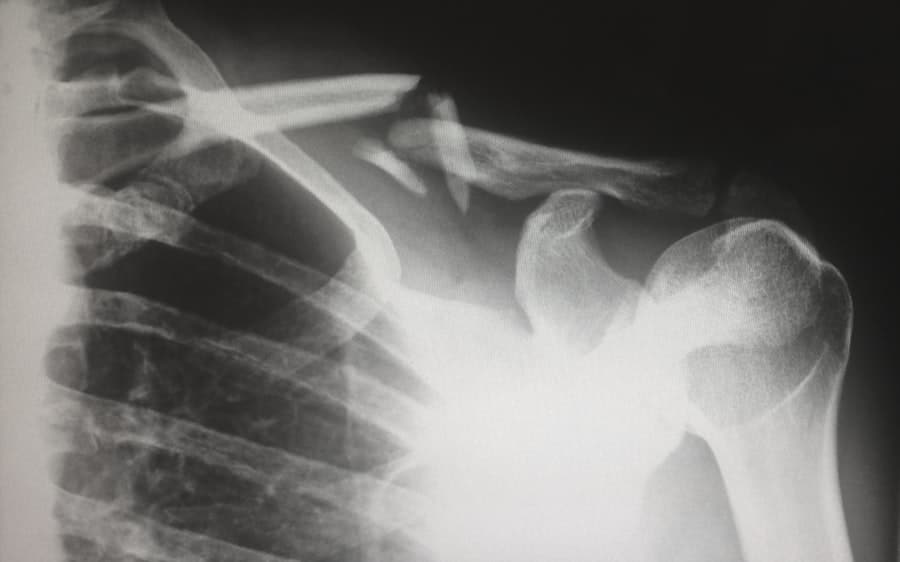
In personal injury cases, various types of evidence can be instrumental in supporting your claim. One of the most critical forms is medical documentation, which includes records of your injuries, treatment plans, and any ongoing medical care you may require. These documents not only substantiate the physical impact of the incident but also provide insight into the financial burden associated with your recovery.
Medical bills, treatment notes, and expert opinions can all serve as powerful pieces of evidence that illustrate the severity of your injuries. In addition to medical records, eyewitness accounts can play a pivotal role in establishing the facts surrounding your case. Testimonies from individuals who witnessed the incident can provide an unbiased perspective that corroborates your version of events.
Photographic evidence, such as images of the accident scene or your injuries, can also be compelling. Visual documentation can evoke emotional responses and help jurors or insurance adjusters understand the gravity of your situation. Collectively, these various forms of evidence work together to create a comprehensive picture that supports your claim.
Gathering and Preserving Evidence

The process of gathering and preserving evidence is crucial in building a strong personal injury case. From the moment the incident occurs, it is essential to take proactive steps to collect relevant information. This may involve documenting the scene of the accident, taking photographs, and obtaining contact information from witnesses.
If possible, you should also gather any available surveillance footage that may have captured the incident. The more thorough you are in collecting evidence at this stage, the stronger your case will be down the line. Preserving evidence is equally important.
This means keeping all relevant documents organized and secure, including medical records, police reports, and correspondence with insurance companies. Digital evidence should be backed up and stored safely to prevent loss or tampering. Additionally, if you have physical evidence, such as damaged property or clothing, it is vital to keep these items intact for examination.
By taking these steps to gather and preserve evidence, you are laying a solid foundation for your case that can withstand scrutiny during negotiations or trial.
Admissibility of Evidence in Court
Not all evidence is created equal when it comes to its admissibility in court. The legal system has specific rules governing what types of evidence can be presented during a trial. Understanding these rules is essential for ensuring that your evidence is not only compelling but also permissible.
Generally, evidence must be relevant to the case at hand and must not violate any legal standards or rights. For instance, hearsay—statements made outside of court that are presented as evidence—may be excluded unless it falls under certain exceptions. Additionally, the credibility of your evidence plays a significant role in its admissibility.
Evidence that is obtained unlawfully or through unethical means may be deemed inadmissible, which could weaken your case significantly. It is crucial to work closely with your attorney to ensure that all evidence collected adheres to legal standards and can withstand challenges from opposing counsel. By being mindful of these considerations, you can enhance the likelihood that your evidence will be accepted in court and contribute positively to your case.
Using Expert Testimony to Support Your Case
In many personal injury cases, expert testimony can provide invaluable support for your claims. Experts in fields such as medicine, accident reconstruction, or economics can offer insights that bolster your argument and clarify complex issues for the court. For example, a medical expert can explain the nature and extent of your injuries, while an accident reconstruction specialist can analyze the circumstances surrounding the incident to establish liability.
Their professional opinions lend credibility to your case and help jurors understand technical aspects that may otherwise be difficult to grasp. Moreover, expert testimony can also address potential counterarguments raised by the defense. By anticipating challenges and presenting expert opinions that counteract those claims, you strengthen your position significantly.
The presence of credible experts can sway jurors’ perceptions and reinforce the validity of your claims. Therefore, enlisting qualified experts who can articulate their findings clearly and persuasively is a strategic move that can enhance the overall strength of your case.
Cross-Examination of Evidence by the Defense
Anticipating Challenges to Your Evidence
As you prepare for trial or settlement negotiations, it is essential to recognize that the defense will likely challenge the evidence you present. Cross-examination is a critical component of this process, where opposing counsel will scrutinize your evidence and attempt to undermine its credibility. They may question the reliability of witnesses, challenge the validity of expert opinions, or point out inconsistencies in your narrative.
Developing a Strategy to Counter Cross-Examination
Understanding this dynamic is crucial for preparing yourself and your legal team for potential obstacles. To effectively counter cross-examination tactics, it is vital to have a well-prepared strategy in place. This includes anticipating possible lines of questioning and being ready with clear responses that reinforce the strength of your evidence.
The Role of Your Attorney in Guiding You Through Cross-Examination
Your attorney will play a key role in guiding you through this process, ensuring that you remain composed and focused during cross-examination. By being prepared for challenges to your evidence, you can maintain confidence in your case and effectively advocate for your rights.
The Role of Evidence in Settlement Negotiations
Evidence plays a pivotal role not only in court but also during settlement negotiations with insurance companies or opposing parties. When negotiating a settlement, having strong evidence at your disposal can significantly influence the outcome. Insurance adjusters are more likely to offer fair compensation when presented with compelling medical records, eyewitness testimonies, and other forms of documentation that clearly establish liability and damages.
The strength of your evidence can serve as leverage during negotiations, encouraging the other party to take your claim seriously. Furthermore, presenting a well-organized case supported by solid evidence demonstrates to the opposing party that you are prepared to pursue legal action if necessary. This can prompt them to reconsider their initial offers and engage in more meaningful discussions about compensation.
Ultimately, effective negotiation hinges on the ability to convey the strength of your case through evidence; therefore, investing time and effort into gathering and presenting this information can yield significant benefits during settlement discussions.
The Impact of Evidence on the Outcome of Your Case
The impact of evidence on the outcome of your personal injury case cannot be overstated. Strong evidence not only helps establish liability but also quantifies damages related to medical expenses, lost wages, pain and suffering, and other losses you may have incurred due to the incident. The more compelling and comprehensive your evidence is, the more likely it is that you will achieve a favorable verdict or settlement.
Conversely, weak or insufficient evidence can lead to unfavorable outcomes or even dismissal of your case altogether. If you fail to provide adequate proof supporting your claims, you risk undermining your position and potentially losing out on compensation for your injuries. Therefore, understanding how to effectively gather, preserve, and present evidence is crucial for navigating the complexities of personal injury law successfully.
By prioritizing these aspects throughout your case, you enhance your chances of achieving justice and securing the compensation you deserve for your suffering.
If you are interested in learning more about personal injury cases and the role of evidence in winning them, you may also want to read this article on personal injury case examples. This article provides real-life examples of personal injury cases and how evidence played a crucial role in determining the outcome. It can give you a better understanding of how evidence can make or break your personal injury case.
FAQs
What is the role of evidence in a personal injury case?
Evidence plays a crucial role in a personal injury case as it helps to establish the facts and prove the extent of the injuries and damages suffered by the plaintiff. It can include medical records, photographs, witness statements, and expert testimony.
Why is evidence important in winning a personal injury case?
Evidence is important in winning a personal injury case because it provides the necessary proof to support the plaintiff’s claims and demonstrate the liability of the defendant. Without strong evidence, it can be challenging to persuade the court or insurance company to rule in favor of the plaintiff.
What types of evidence are commonly used in personal injury cases?
Common types of evidence used in personal injury cases include medical records, accident reports, photographs of the scene and injuries, witness statements, expert testimony, and documentation of lost wages and other financial losses.
How can an individual gather and preserve evidence for their personal injury case?
To gather and preserve evidence for a personal injury case, individuals should seek medical treatment immediately, take photographs of the accident scene and their injuries, obtain contact information from witnesses, keep all relevant documents and records, and consult with a personal injury attorney for guidance.
What role does evidence play in determining the amount of compensation in a personal injury case?
Evidence is crucial in determining the amount of compensation in a personal injury case as it helps to establish the extent of the injuries, the impact on the plaintiff’s life, and the financial losses incurred. Strong evidence can support the plaintiff’s claim for a higher amount of compensation.